As consumer preferences change, DSD operators need better tools to understand execution, quickly spot innovation trends, and communicate those to partners to support success in the market.
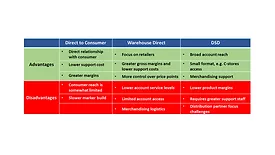
There are three primary avenues for getting your brand to consumers: direct-to-consumer (DTC), warehouse direct sales to retailers (WD) and direct-store-distribution (DSD). Brian Sudano explores which model fits the unique needs for beverage-makers.
Beverage wholesalers are utilizing DSD technology to streamline orders, browse new products to gain a better understanding of evolving, complex beverage market.
With increased SKUs, retailers need to have broader product availability, and wholesalers want to have the ability to service those retailers more efficiently, as such, DSD solutions that aid with inventory, merchandising and forecasting automation are hot topics in the beverage industry.
By digitally connecting distributors to retailers, distributor salespeople have reallocated their time and reimagined how they approach their retail accounts.
In beverage distribution operations, hand trucks and carts are indispensable pieces of material handling equipment that help transport heavy, bulky cases of beverages from delivery trucks to point-of-sale at retail stores.
Moving a burgeoning amount of SKUs from point A to point B has only gotten more complicated. Direct-store delivery (DSD) software and hardware solutions not only increases product traceability and sales, but provides on-demand simplicity and better customer service.
The grind of direct-store-delivery encourages OEMs to develop equipment that supports the safety of personnel while remaining durable for the long haul.