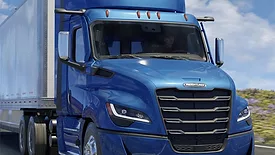
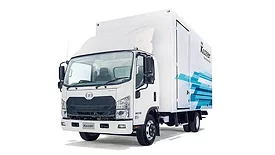
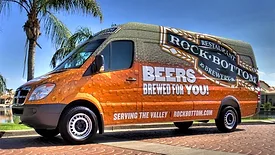
In this year’s 2026 Trucks Report, it shows there’s a little something for everyone as we gaze ahead to what delivery truck OEMs have on offer for 2026 and the years to come.
The U.S. Department of Transportation (DOT) released updated interim final NEVI guidance designed to replace all prior NEVI guidance and allow states the opportunity to resubmit plans for the remaining funding that had been frozen since February.
It’s getting increasingly challenging to write about alternative fuels without mentioning electric vehicles (EVs) ― see, we’ve already failed. But there are still many viable options that don’t involve charging a battery and there’s been quite a bit of progress on many of those fronts.
The beverage industry has increasingly embraced new techniques and tools to mine efficiencies in the last mile before their products reach the end consumer.
The U.S. Department of Transportation’s National Highway Traffic Safety Administration (NHTSA) unveiled its annual “Put the Phone Away or Pay” campaign last month where it highlighted the importance of attentive driving.
With vehicle wraps viewed as one of the top cost-effective forms of advertising, operations are pulling out all the stops for the next generation of fleet graphics.
When it comes to in-cab accessories, today’s fleet needs a full suite of solutions that, once installed, work together to support comfort, convenience and safety.