Beverage Industry identifies top performers of past year
Based on 2022 fiscal year sales, this year’s Top 100 Beverage Companies report, compiled by the editors of Beverage Industry, has seen a collection of long-running entities exit the list as they merged or were part of an acquisition.
During the first three months of this year, store brands picked up right where they left off in 2022, with double-digit sales increases and greater market share in both dollars and units, according to nationwide data provided exclusively to PLMA by Chicago-based Circana (formerly IRI and NPD).
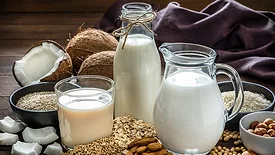
Anne Scott Livingston, research analyst at Chicago-based Euromonitor International, notes that producers were forced to increase their milk prices due to a jump in input costs, which “have significantly strained category margins.”
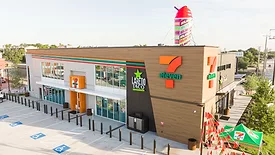
As the grab-and-go style of convenience stores has changed a bit during the past couple years, experts note that convenience stores still continue to perform well despite ever-changing needs of consumers.
Beverage Industry identifies top performers of last year
Beverage Industry’s Top 100 Beverage Companies report, based on 2021 fiscal year sales, reflects the ebbs and flows that different factions of alcohol and non-alcohol beverage market experienced this past year.
In addition to purchasing gas, consumers head to their local convenience store to satisfy immediate consumption needs in an easy-to-navigate space. Sales of both alcohol and non-alcohol beverages are up, with hard seltzers and carbonated soft drinks top performers.
Market research firm cites population growth, increases of disposable personal income
U.S. beverage demand is forecast to increase 2.9% yearly in nominal terms through 2025, according to “Beverages: United States,” a report recently released by Freedonia Focus Reports.
Beverage Industry’s Top 100 Beverage Companies report, based on 2020 fiscal year sales, reflects the ebbs and flows that different factions of the alcohol and non-alcohol beverage market experienced in less than normal times.
Changing consumer habits will guide foodservice beverage strategies
Chicago-based Technomic has released the beverage category sizing report exploring how COVID-19 impacted foodservice beverages. This report is a deliverable of the Away-From-Home Beverage Navigator program, which offers a comprehensive assessment of both hot and cold beverage categories, including market sizing, historical tracking, predicted growth, consumer insights, operator responses, major trends and market dynamics.
On-site, digital shopping options help supermarkets thrive
As pandemic conditions prompt many consumers to grocery shop from home, supermarkets have adopted omnichannel platforms to maintain sales. As a result, major players are directing capital expenditures to solutions that drive future growth for the channel.