Convenience stores shift offerings based on consumer preference
Channel embraces beverages based on consumer trends
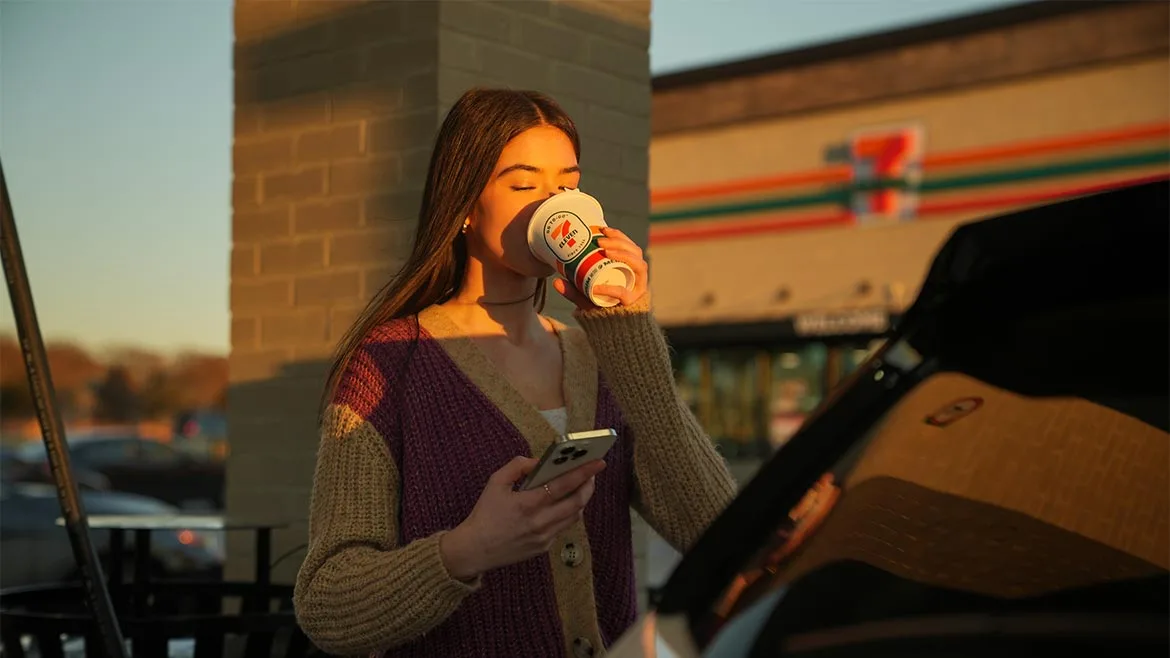
Tracy Chapman’s song “Fast Car” is often interpreted as a song about hope and freedom. “You got a fast car / I got a plan to get us out of here / I been working at the convenience store / Managed to save just a little bit of money,” Chapman sings.
Although not through song, experts note how convenience stores provide consumers with an opportunity to save money as well.
Mitch Madoff, head of retail partnerships at Keychain, New York, says the convenience store channel has had a solid year.
“In-store sales have been strong, with foodservice leading the way as more consumers look to convenience stores for meals and snacks instead of traditional fast food storefronts,” he shares. “There are still some challenges, though. Inflation and higher costs have made shoppers more price-conscious, leading to fewer convenience store trips. And there’s been a small decline in the number of stores as the industry continues to consolidate.”
Jeff Lenard, vice president of media and strategic communications at Alexandria, Va.-based National Association of Convenience Stores (NACS), notes that foodservice and merchandise sales within the U.S. convenience store channel was $341.2 billion in 2025 — a 1.7% increase over 2024.
It was the 23rd straight year that inside sales have increased, according to the NACS State of the Industry report. However, Lenard says that there were higher wholesale costs and operating expenses.
“Foodservice is a category that has seen remarkable growth over the past two decades,” Lenard states. “In 2005, foodservice accounted for 11.9% of in-store sales; in 2025, it was 28%. About 80% of the foodservice category is compromised of the categories of prepared food and commissary food, but it also includes hot, cold and frozen dispensed beverages.”
Following foodservice, packaged beverages was the No. 2 category in convenience stores, he adds, accounting for 18.7% of in-store sales, up 0.8 points from 2024.
“So far, 2026 has been challenging, especially with gas prices still about $1 a gallon higher than they were before the conflict in the Middle East began,” Lenard says. “Convenience stores sell about 80% of the fuel purchased in the country, so when a customer is spending $10-20 more on a fill-up, that’s less money that they are able to spend on in-store items.”
Higher gas prices also have cut into driving, and less people on the road means less sales, he notes.
“It’s worth noting that the overall convenience store count held relatively steady, falling 0.2% to 151,975 stores at a time when many other channels saw more significant downturns,” Lenard states.
In terms of consumer trends, Lenard says that speed of service will always be a core requirement for convenience stores. On average, consumers are in and out of a convenience store in under four minutes.
“But customer experience is increasingly important,” Lenard shares. “With overall retail costs increasing across all channels, consumers want to find value in their purchases, and that goes beyond price. They want a ‘vibe’ that includes cleanliness, great customer service and even some level of fun.”
Keychain’s Madoff notes that consumers are increasingly looking for more from their convenience store purchases, especially when it comes to health and wellness.
“We’re seeing more consumers gravitate toward smaller, portion-controlled options and protein-backed products,” he says. “The rise of GLP-1 medications is also helping fuel these preferences as consumers pay more attention to what they’re eating and drinking. So rather than leaving the channel completely, people are simply shopping it a little differently.”
At the same time, Madoff points to the popularity of customization.
“Dirty sodas, for example, have moved from a TikTok trend directly into convenience stores, with consumers mixing sodas with different syrups and creamers at chains like Circle K to create their own combinations,” he adds.
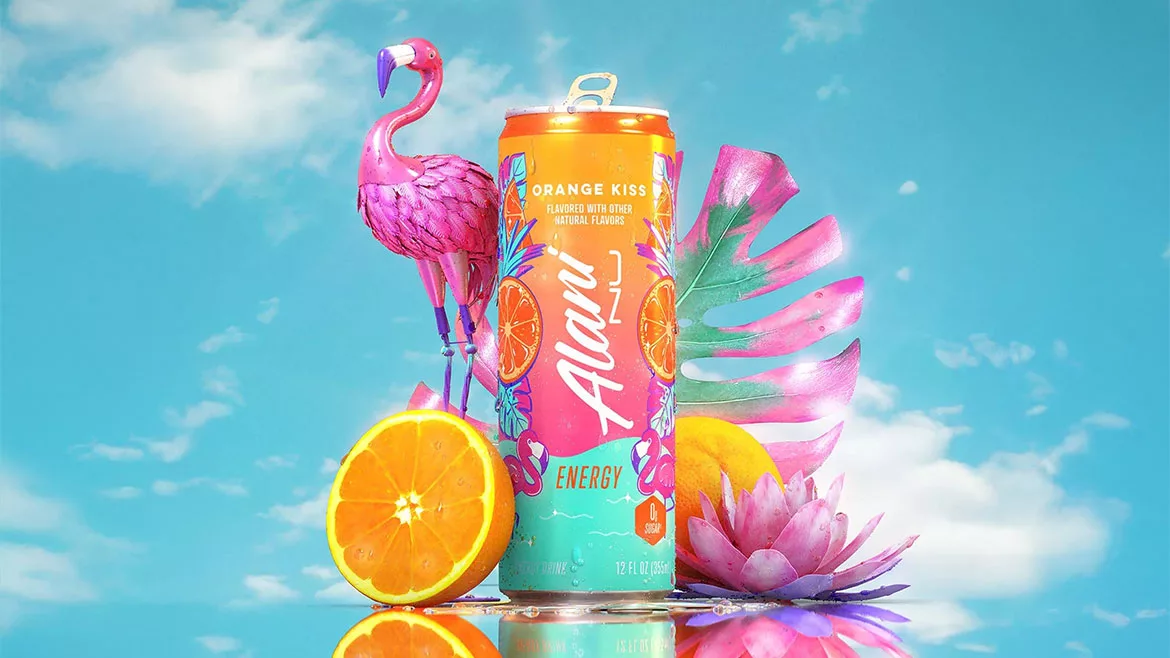
As for other beverage trends within c-stores, Madoff says that energy drinks continue to be a major driver of beverage sales within the channel. Specifically, he lists brands like Celsius and Alani Nu as “capturing significant shelf space” as the category expands beyond traditional energy and into products with added benefits and new formats.
“That same appetite for function is expanding the rest of the cooler, too, with prebiotic sodas, kombucha and electrolyte drinks like Prime Hydration gaining traction as retailers look to keep up with changing tastes,” Madoff explains. “Alcohol is also a major part of the convenience store business, particularly beer and ready-to-drink (RTD) beverages. Convenience stores are an easy stop for consumers picking up drink packs on the go or making a last-minute run for a get-together, which makes the channel especially important for these categories.”
Similarly, NACS’ Lenard says that a big growth area within c-store beverage options is those that do more than quench thirst.
“The key for c-stores is to focus on how beverages play a huge role in starting that customer basket,” he adds.
To encourage consumers to enter the channel beyond gas purchases, c-store operators are employing a variety of tactics.
“About 60% of drivers filling up come inside the store, whether to make a purchase, look around or use the restroom,” Lenard says. “One reason for that high conversation rate could be because of effective marketing at the pump, whether videos or signage.”
Even though most purchases address an immediate need — hunger, thirst or a low fuel tank — that doesn’t mean the trip was not planned, he notes.
“Increasingly, consumers are making their buying decisions well before they even get in the car,” Lenard says. “Overall, three in four consumers say that they plan out their c-store visits. That means it becomes more critical to tell your brand’s story on social media or via a store app so it is top-of-mind.”
Keychain’s Madoff notes that foodservice is “still the biggest driver” for traffic, with convenience stores going head-to-head with quick-service restaurants by having more grab-and-go options.
“Convenience stores are also getting smarter about matching what’s on the shelf to why someone actually walked in,” Madoff says. “Popular products — like Electrolit’s grape hydration drink and Fairlife’s protein shakes to better-for-you snacks like Quest’s Nutrition Protein chips — are getting more prominent placement to catch people’s attention and encourage them to make a purchase.”
Convenience store chains also are increasing focus within the private label products. 7-Eleven Inc. recently refreshed its cooler lineup with the launch of its own soda line, 7-Select Soda.
“7-Select Soda reflects what the 7-Select brand stands for: variety, dependable quality and value,” said Nikki Boyers, vice president of private brands, emerging brands and 7 ventures, in a statement at the time of the launch. “This new offering is the latest example of how 7-Select keeps evolving, introducing new flavors and products that exceed expectations for what convenience should taste like.”
The lineup includes the following flavors: Cola Classic, Orange Soda and Lemon-Lime Twist.
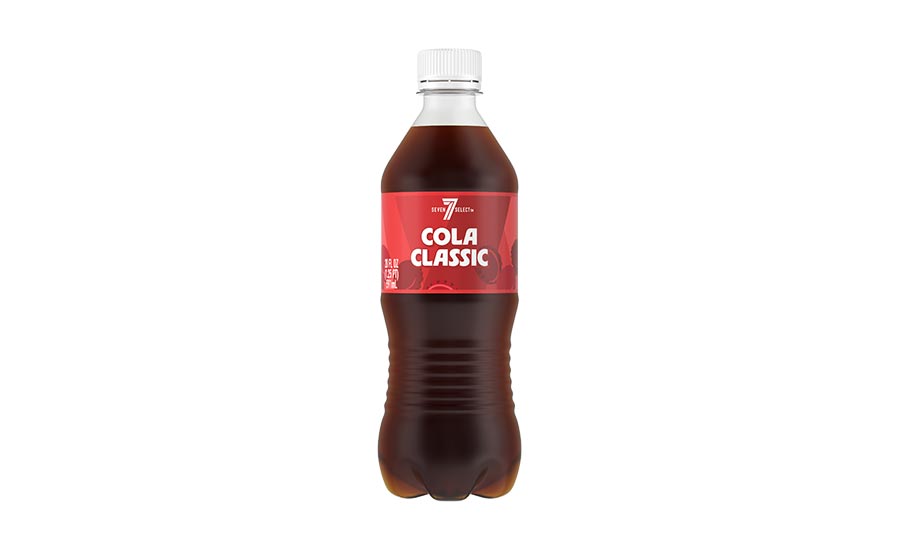 Image courtesy of 7-Eleven Inc.
Meanwhile, next year marks the 100th anniversary of the first convenience store, NACS’ Lenard notes.
“What makes this industry unique is that it was created around a concept, as opposed to a defined selection of products on shelves,” he explains. “Convenience originally meant extended hours of operation, then it expanded to include convenience locations, one-stop shopping and a whole host of other conveniences. The most important thing to note is that over the past 99 years, the concept of convenience has always been redefined by the customer.”
The retailers who are best able to redefine their offerings alongside changing customer definitions of convenience will continue to succeed, Lenard shares.
“The key for c-stores is to focus on how beverages play a huge role in starting that customer basket.”
– Jeff Lenard, vice president of media and strategic communications at National Association of Convenience Stores
Keychain’s Madoff expects to see c-stores continue leaning into foodservice and competing more directly with restaurants rather than just other retailers.
“Functional foods and beverages will continue to be a major part of that shift, as protein-packed snacks and wellness-driven drinks move from a passing trend to a permanent part of the assortment,” he says.
He anticipates more investment in loyalty and technology, from personalized offers to mobile ordering, as these stores look for ways to give customers more reasons to come back.
“These shifts point to a channel that’s becoming less about the quick stop and more about building lasting relationships with shoppers,” Madoff concludes.
Looking for a reprint of this article?
From high-res PDFs to custom plaques, order your copy today!