Dirty sodas are coming home
Customizations, flavor exploration help beverage trend reach more consumers
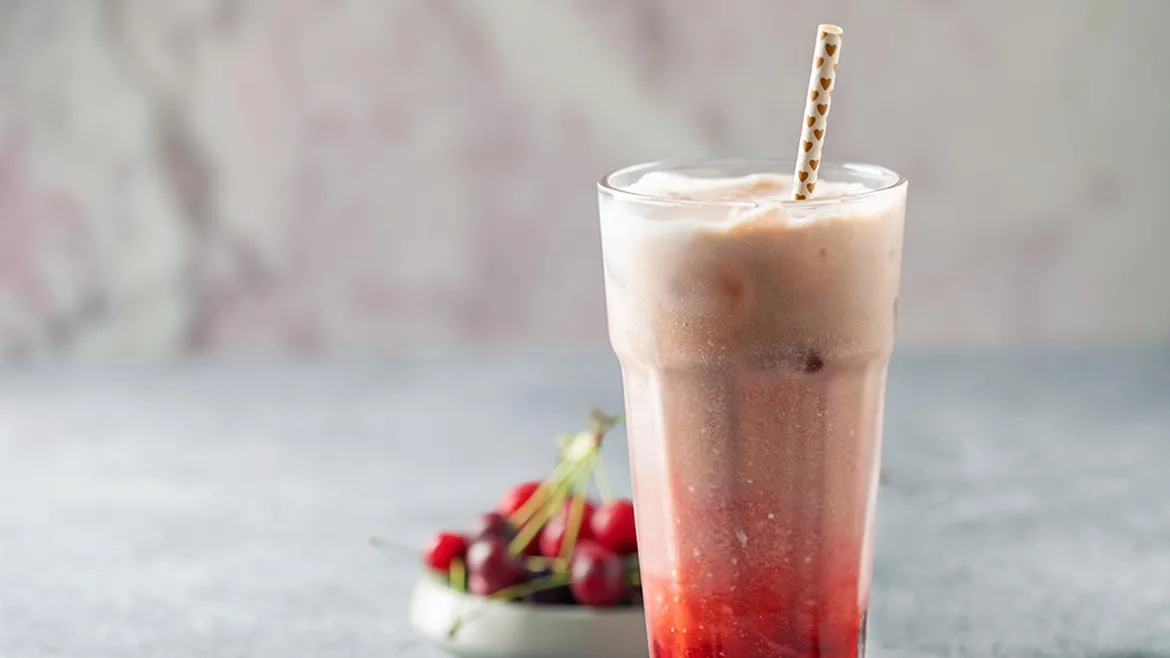
In the beverage market, the word dirty typically was only associated with cocktails like the dirty martini or dirty Shirley, but the non-alcohol segment has stepped into the “dirty” beverage space with the rise of dirty sodas.
“The dirty soda market is really strong right now,” says Mitch Madoff, head of retail partnerships at Keychain, New York. “What started as a regional trend out of Utah has grown into a mainstream phenomenon, fueled by the endless customization options that make dirty sodas so shareable and personal. Mobile carts and soda bars have become an established small-business model across the country, and major brands like Mountain Dew are now getting in on the action.”
Although dirty soda got its start in the foodservice space, the creations have entered homes due to convenience factors, Madoff notes.
“Once dirty sodas took off on TikTok, demand grew faster than soda shop locations could scale, leading consumers to try making them at home,” he says. “Brands quickly recognized the opportunity, introducing products that made it even easier to recreate the experience. And unlike more elaborate coffee drinks, many people already have the basic dirty soda ingredients in their pantry and fridge, making the trend incredibly accessible.
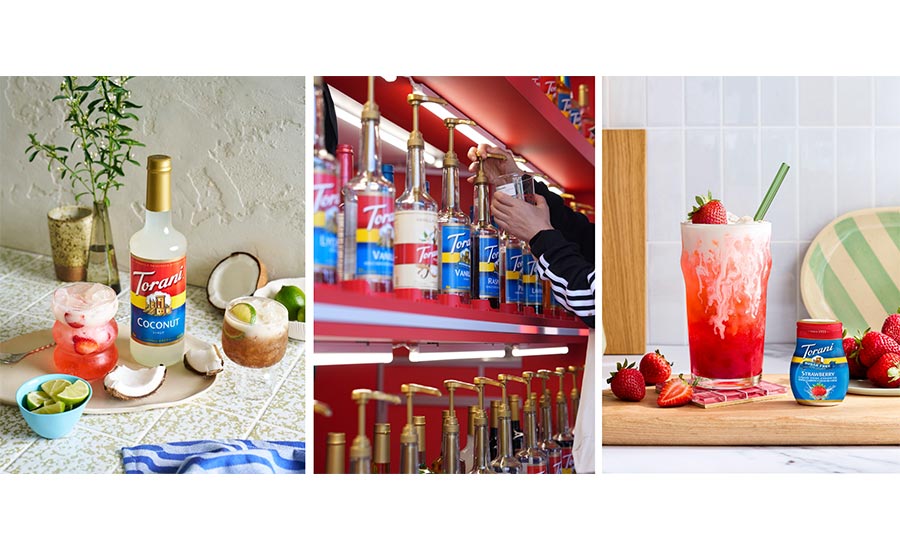
“Nestle has been a notable player in the category, launching its Coconut Lime Dirty Soda creamer that's posted solid revenue on Keychain's platform,” Madoff continues. “Torani has also leaned into the at-home opportunity, launching a sampler pack of five mini syrups specifically designed for dirty soda customization ― a product that lowers the barrier to entry for consumers wanting to experiment at home.”
Andrea Ramirez, senior consumer and customer market insight manager at Torani, notes that the shift to at-home creation reflects a larger shift toward beverage customization.
“Consumers today don't just want a drink, they want a drink that's uniquely theirs,” she says. “Dirty soda gives people an easy and accessible way to experiment with flavor, personalize their beverages and create craveable combinations that fit their tastes and lifestyles.
“More broadly, dirty soda is part of the customization culture that has reshaped the beverage industry over the last two decades,” Ramirez continues. “From flavored coffees and Italian sodas to today’s dirty soda creations, consumers continue to seek more ways to make everyday beverages their own, and that demand shows no signs of slowing down.”
Understanding the consumer
Dirty sodas might commonly be associated with coming-of-age generations, but research shows that could be changing.
“As at-home options become more widely available and major brands continue to launch products, dirty sodas are reaching consumers well beyond their Gen Z core,” Keychain’s Madoff says. “Dirty sodas are widely accessible and well-liked across demographics, from moms taking their kids through the drive-through to working professionals looking for a quick energy boost without the high caffeine content of coffee or espresso.”
Torani’s Ramirez further notes that the company is seeing strong engagement among millennials and higher-income consumers.
“In our latest proprietary research, millennials were the most likely generation to say dirty soda is their favorite type of drink and were among the most frequent users of the category,” she says. “We’re also seeing elevated engagement among households earning $100,000 or more annually, suggesting consumers are willing to spend on personalized beverage experiences.
“What started as a regional trend out of Utah has grown into a mainstream phenomenon, fueled by the endless customization options that make dirty sodas so shareable and personal.”
– Mitch Madoff, head of retail partnerships at Keychain
“Geographically, awareness remains strongest in the Western U.S., where the dirty soda trend first gained traction through specialty soda shops,” Ramirez says. “However, the rapid increase in national awareness and trial tells us the category has moved well beyond its regional roots and is now resonating with consumers across the country.”
Ramirez adds that dirty soda attracts consumers for different reasons.
“Younger consumers are drawn to the creativity, customization and social-media appeal, while older consumers often appreciate the nostalgic soda flavors combined with a more elevated, personalized experience,” she says. “That broad appeal is helping drive the category’s continued growth.”
Even with its growing popularity, experts note that dirty sodas have an opportunity to expand their reach.
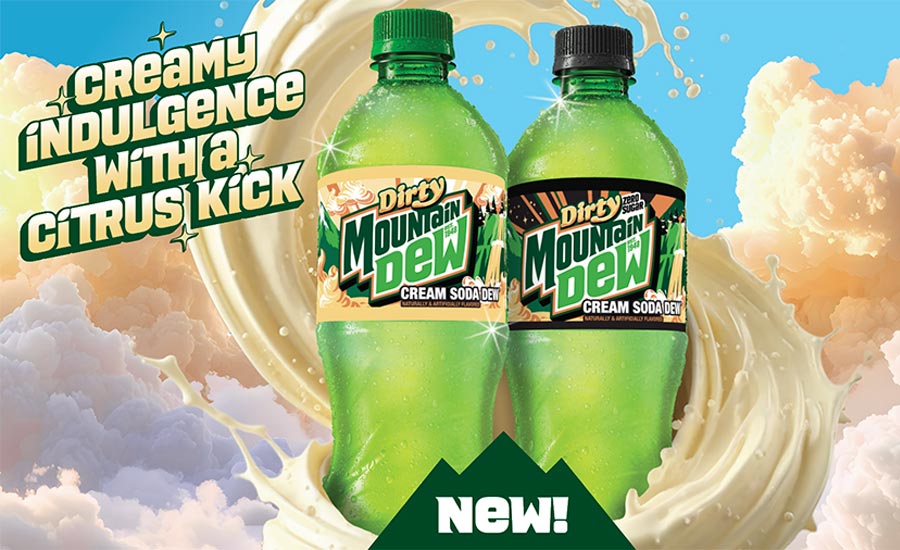
“The packaged market for dirty sodas is still relatively in its early stage, which means there’s a significant runway ahead,” Keychain’s Madoff says. “Brands that can crack convenient, retail-friendly formats, whether through creamers, syrups, or ready-to-drink (RTD) options, stand to capture a lot of demand that currently goes unmet. Mountain Dew, for example, has already entered the space with its Dirty Dew Cream Soda offering.
“The trend is gaining traction beyond traditional food and beverage players, too,” he continues. “Influencers are increasingly attaching themselves to the category, like Whitney Leavitt of ‘The Secret Lives of Mormon Wives’, who recently joined the C-Suite of dirty soda brand Cool Sips. And there’s opportunity in the restaurant and dining space, where cream and milk carbonated drinks remain rare on menus despite growing consumer interest. An alcoholic crossover, comparable to hard lemonade or hard seltzer, also remains largely untapped and could represent another avenue for expansion as the trend matures.”
Torani’s Ramirez further highlights the importance that customization will have on dirty soda’s outreach efforts as it moves beyond traditional soda shops.
“Our research shows that half of dirty soda consumers already enjoy the category both at home and in restaurants, demonstrating that consumers are embracing dirty soda as a beverage style rather than just a foodservice occasion,” she says. “Dirty soda also benefits from being highly social. Consumers frequently associate it with sharing, celebrations and spending time with friends or family, which helps fuel word-of-mouth discovery and social media engagement.”
Torani has identified several areas of growth, such as flavor exploration through more premium, globally inspired and unexpected flavor combinations as well as pairing dirty soda with emerging beverage trends, including prebiotic sodas, sparkling waters, lemonades, hydration beverages and other better-for-you options, Ramirez says.
And like any emerging category, awareness will be vital to expand occasions.
“Today, many consumers view it as a treat or indulgence, but we expect to see more experimentation with lighter, refreshing and functional variations that can fit into a wider range of consumption moments,” Ramirez says.
Given these opportunities, sentiment is optimistic on the future for dirty sodas.
“The outlook is definitely strong,” Keychain’s Madoff says. “The creamer category's strong year-over-year growth on Keychain’s platform points to sustained interest in at-home dirty soda consumption, and we expect that momentum to continue through the summer season and beyond.
“The trend has moved well past its social media origins, driven by a consumer base that’s actively seeking out new products and formats,” he continues. “Brands that deliver on convenience, flavor variety, and that sense of fun customization will be best positioned to capture that demand.”
Torani’s Ramirez explains that customization and flavor exploration coupled with the beverage industry’s fast evolving nature bodes well for dirty soda’s future.
“Consumers increasingly want drinks they can personalize to their tastes, preferences and lifestyles, and dirty soda delivers that in a way that's both accessible and highly creative,” she says. “Looking ahead, I expect the next wave of dirty soda innovation to center around more sophisticated flavor combinations, global flavor influences and functional ingredients.
“With national awareness now reaching 75% and trial climbing to 42%, dirty soda has clearly moved beyond an emerging trend and into the mainstream,” Ramirez continues. “The next phase of growth will likely come from premium flavor combinations, functional beverage bases and continued consumer demand for personalization.
Ramirez further explains that dirty soda is part of a larger shift toward personalized beverage experiences.
“Consumers don’t just want a drink,” she says. “They want a drink that reflects their tastes, routines and even their mood. That’s why I believe dirty soda has staying power and will continue to evolve as flavor and beverage culture evolve.”
Looking for a reprint of this article?
From high-res PDFs to custom plaques, order your copy today!