Beverages expected to play larger role in supporting GLP-1 community
GLP-1 awareness, household impact on the rise as consumers turn for host of reasons

GLP-1 agonists have come a long way from when they first gained approval in 2005 from the U.S. Food and Drug Administration (FDA). A November 2025 poll published by the Kaiser Family Foundation (KFF) highlights just how far they truly have come.
The health policy organization found that about one in eight adults (12%) say that they are currently taking a GLP-1 drug such as Ozempic or Wegovy either to lose weight or treat a chronic condition. The KFF poll also found that nearly one in five adults (18%) say at some point they have taken a GLP-1 drug, a class of medications used for weight loss and to treat diabetes, heart disease and other chronic conditions.
Gary Stibel, founder and CEO at New England Consulting Group, Westport, Conn., shares that the marketing management consulting firm estimates the number of people using these medications are far more than 15% they estimate are reporting it. Stibel notes that when considering more current data as well as the “gray” market for GLP-1s such as compounds, as well as household impact.
“Because assuming you live with somebody else, a partner, maybe kids, it's impacting your entire household,” he says. “It’s meaning that 27% of U.S. households are being impacted by some member of that family on GLP-1s. When that family member is on GLP-1s, what comes into the house is different. What gets consumed is different. So, it’s huge. And most of the media is underrepresenting its impact.”
KFF’s poll also shows certain demographics are more likely to use GLP-1 drugs. Women are more likely than men to say they are currently taking GLP-1 drugs (15% vs. 9%). Meanwhile, current GLP-1 use is highest among adults ages 50-64 (22%) compared with other demographics.
KFF’s survey also found the host of health and wellness reasons that adults have indicated for GLP-1 usage. It reported that of those who have been diagnosed with diabetes, 57% have used the drug, including 45% who are currently using it. Among those diagnosed with heart disease it is 40% whom have ever used GLP-1s and 29% currently. Among those who have been obese or overweight in past five years, 34% have used the medications and 23% are currently.
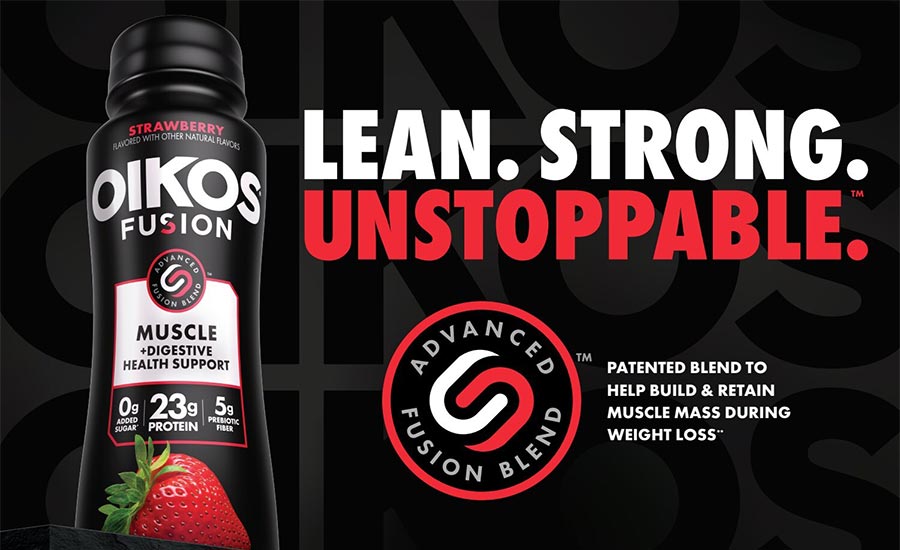 OIKOS FUSION is nutrient-dense cultured dairy drink developed specifically to support muscle mass during weight loss, while also supporting digestive health.
Images courtesy of Danone North America
Citing the KFF poll, Denisse Colindres, senior manager of nutrition communication for North America at BENEO, Parsippany, N.J., says this exemplifies the staying power of GLP-1s.
“Taken together, these data make it clear that GLP-1 receptor agonists are here to stay as consumers continue to seek ways to manage their weight and cardiometabolic health,” she says. “GLP-1 use is likely to remain a meaningful part of the broader health wellness landscape.”
Mitch Madoff, head of retail partnerships at Keychain, New York, notes that the awareness of GLP-1 agonists is exemplified by expenditures being dedicated to commercials.
“In less than a decade, GLP-1s have gone from a niche medical term to a household topic,” he says. “Telehealth company Ro aired its first Super Bowl commercial in February with Serena Williams, underscoring how mainstream these medications have become.”
This awareness has grown for GLP-1s also taking shape in new delivery formats as well as celebrity endorsements.
“Their rapid adoption is also being fueled by the different ways they are showing up,” Madoff says. “From traditional injections to pills, GLP-1s are being made more accessible to different types of consumers.
“At the same time, celebrity endorsements, viral social media weight loss trends, and constant online discourse have helped normalize and grow the medication’s visibility,” he continues. “So we’re seeing the ripple effects of its influence more than ever. GLP-1s are shaping how people eat, drink, shop, and exercise, and brands need to be paying close attention to these trends.”
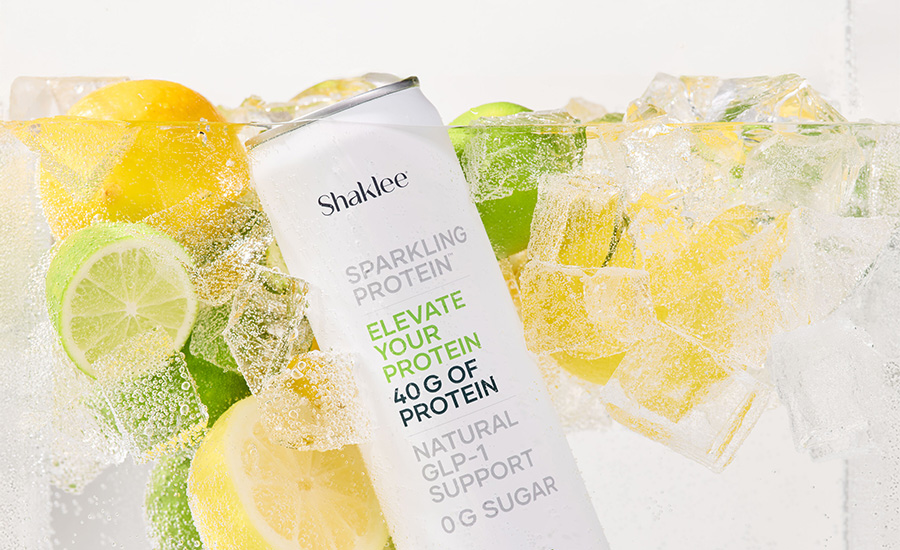 Shaklee Sparkling Protein is a patent-pending functional sparkling seltzer clinically shown to improve lean muscle, packed with 40 grams of next-generation, grass-fed whey protein, the company says.
Image courtesy of Shaklee
Also referencing the KFF survey, Shil Kothari, president at Gateway Health Alliances Inc., Fairfield, Calif., explains that the awareness of GLP-1s mean that beverage manufacturers must play a proactive role in offering solutions that support those using these medications.
“For beverage companies, this means GLP-1s are no longer a fringe topic but have become a meaningful influence on how consumers think about appetite, weight management, satiety and metabolic health,” he says. “This shift both reflects increasing consumer understanding of products that can support their health goals and growing opportunities for beverage manufacturers to develop solutions that support these consumer expectations related to weight management and metabolic wellness.”
Understanding the reasons
As Americans awareness of GLP-1 agonists grows, the reasonings behind adoption comes from a wide range.
“As noted, GLP-1 medication is generally used to manage type 2 diabetes, heart disease or weight loss,” BENEO’s Colindres says. “Due to the obesity epidemic impacting millions of individuals globally, GLP-1 medication will most likely continue to see an increase in adoption.”
Colindres also notes the associated benefits in terms of cardiovascular health.
“Beyond glucose and weight control, GLP-1s are increasingly used in patients with elevated cardiovascular risk, as clinical evidence shows benefits in reducing major cardiovascular events in people with diabetes or obesity,” she says. “In practice, many individuals are motivated by a combination of these factors ― improved metabolic health, weight reduction and cardiometabolic risk management ― rather than a single goal alone. GLP-1 use is therefore expected to remain concentrated around these core medical and health related drivers.”
Also noting the initial intention behind GLP-1 medications, Keychain’s Madoff notes that more is being done to understand additional benefits.
“Early GLP-1 manufacturers, including Novo Nordisk and Eli Lilly, originally developed the drug to help with blood sugar control in adults with type 2 diabetes, but weight loss has since become the primary driver of adoption,” he says. “What’s really expanding the appeal is the growing body of evidence around other health benefits: cardiovascular risk reduction, kidney disease, sleep apnea, and even early-stage trials for conditions like Alzheimer’s and addiction.”
New England Consulting Group’s Stibel notes that diabetes and heart conditions are diseases that have noted benefits when it comes to GLP-1 medications, but that more research on other conditions is being done and it has been positive.
“GLP-1s may someday be approved for everything from cancer to Alzheimer’s,” he says.
Noting the medications original intended use as well as the KFF survey on ever and current use reasons, Gateway Health Alliances’ Kothari adds that general weight management, including lifestyle and cosmetic purposes, continue to increase.
“This shift to mainstream use for weight management expands the market significantly,” he says. “It reflects a broader consumer mindset of accessing new ways to help manage appetite, control weight and support overall metabolic health. For beverage companies, this trend supports the incorporation of GLP-1-supporting ingredients into beverages that consumers already enjoy daily.”
Rachel Buss, vice president of strategic insights at Curion, Deerfield, Ill., notes that beyond off-label use, adopters have reported anecdotal changes.
“Off-label uses are a little more experimental, and whispers about the potential benefits of microdosing are starting to rattle around social media,” she says. “Anecdotally, others report it helps with controlling impulse behaviors around food, quieting food noise for binge eaters, or even reducing the urge to drink alcohol, but the science isn’t solid on those points yet.”
Despite the numerous reasons behind GLP-1 medication usage, experts note that financials are limiting who has access.
“High cost and limited insurance coverage are major barriers,” Buss says. “Treatment is often ongoing, which can make it tough for many people to access. In countries where patents have expired, we’ve seen a rush of generics, so as that comes to the U.S. in the next five or so years, or if insurance coverage improves, we could see a noticeable jump in adoption.”
Also noting the cost barrier, Keychain’s Madoff explains that payment options and other platforms are easing that burden for some consumers.
“Without insurance, brand-name GLP-1s, like Ozempic, Wegovy and Mounjaro, can run upward of $1,000 per month, and even with coverage, copays can be steep,” he says. “However, there are payment options with manufacturer copay cards, and direct pharmacy options that bring prices down to the $200-$500 range for many consumers. Platforms like Ro are also playing a role in helping patients navigate different treatment options and insurance coverage, making it easier to find more affordable paths to these medications.”
BENEO’s Colindres explains that the costs associated with GLP-1s not only limits initial adoption, but continued use. Despite these barriers, there remains a need for products that support sustainable weight management.
“Looking ahead, increased competition and the development of oral GLP-1 medications may help improve affordability and accessibility over time,” she says. “If successful, these advances could lower entry barriers and reduce some of the challenges associated with long term use. Regardless of whether consumers use GLP-1s, stop using them, or choose not to use them at all, good nutrition principles remain central to sustainable weight management.
“This is where smart nutrition becomes essential,” Colindres says. “Science-backed, naturally sourced ingredients can help fill common nutritional gaps during weight loss, supporting a healthy gut and digestive comfort, satiety, metabolic health and even mental health, independent of GLP-1 use. For many consumers, these reliable, food-based solutions offer a natural and reassuring way to manage weight with confidence.”
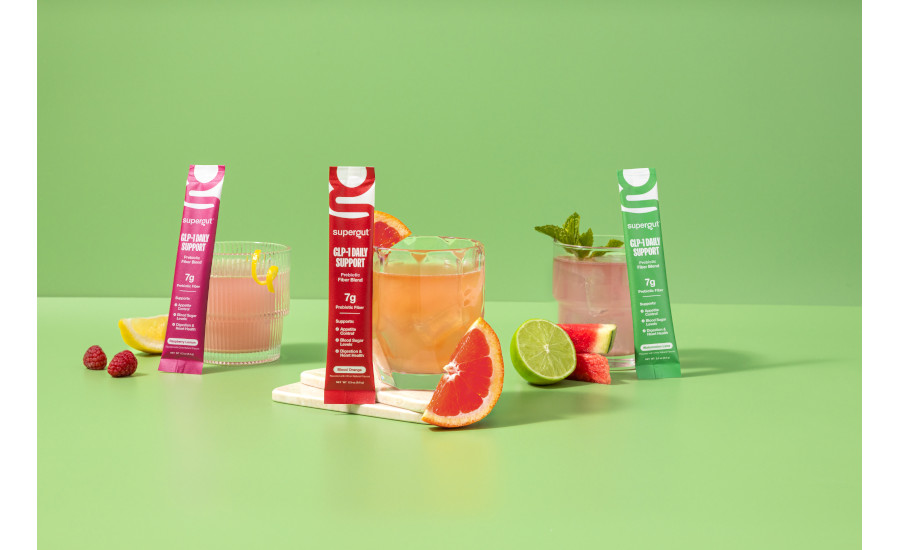 Last summer, Supergut launched three new flavors of its GLP-1 Daily Support: Blood Orange, Raspberry Lemon and Watermelon Lime.
Image courtesy of Supergut
Gateway Health Alliances’ Kothari explains that recent policy changes are beginning to improve affordability for some Medicare and Medicaid populations, but access still remains uneven. Long-term use also is at risk of falling off, resulting in challenges to keep weight off.
“Equally important are the practical limitations of long-term use,” he says. “Many consumers discontinue or cycle off GLP-1 medications due to tolerability issues, side effects, or the challenges of staying on therapy indefinitely. Clinical studies show that approximately 50% to 70% of lost weight is regained within a year of discontinuation, which underscores the challenge of achieving lasting results. In addition, loss of lean muscle mass is a serious concern, as some users end up with poorer body composition following treatment.
“As a result, there is growing interest in complementary approaches that can support appetite regulation, satiety, and metabolic balance over the long term,” Kothari says. “These natural solutions are often more accessible, better tolerated, and suitable for ongoing use. Formulating with these functional ingredients is a significant opportunity for beverage companies to align with evolving consumer needs.”
Developed around the trends
Given the increasing awareness and even use of GLP-1 medications, consumer packaged goods (CPG) companies are tasked with developing products that can support these consumers.
“The first is protein,” New England Consulting Group’s Stibel says. “Protein has emerged as the ingredient of choice on damn near everything from beverages to chips to cereals. The No. 1 is protein. No. 2 is fiber. Most humans don't get enough fiber to begin with. No. 3 is hydration because most Americans are not sufficiently hydrated, but protein and fiber lead the [attributes], but there are other collagen to protect against some Ozempic face and other, you know, when you lose lean muscle mass, collagen helps replenish the skin, healthier looking skin. Clearly, protein is at the head of the class right now. Fiber is growing and not that far behind. Collagen, hydration, and there are a lot of minor things. People will put other ingredients in there, but nothing that approaches those four.”
Keychain’s Madoff also highlights the importance of protein and hydration when it comes to GLP-1 consumers.
“The biggest attributes we’re seeing brands lean into are high protein, added electrolytes, gut-friendly formulations, and lower sugar or zero sugar,” Madoff says. “Digestive comfort is a real consideration. GLP-1 users commonly experience nausea and other GI sensitivities, so beverages that prevent bloating and use simple ingredients have an advantage. Silk’s Organic Unsweetened Soymilk has seen strong revenue, driven by its high protein content, no added sugar, and easier digestibility compared to traditional dairy, for example.
“Hydration-focused products are also gaining traction, since staying hydrated is critical for consumers on these medications,” he continues. “On Keychain, this is reflected in consistently strong revenue patterns from brands like Powerade, Gatorade, and Propel, all of which contain electrolytes helping consumers stay hydrated.”
Curion’s Buss notes that although protein, fiber and probiotics are the main attributes, manufacturers need to make it worthwhile for consumers to choose their products.
“Beyond that, if a drink is going to be a treat, it needs a reason, like a fun flavor, interesting texture, or unique experience, to make it worth indulging in,” she says. “And then when they are indulging, the portion size tends to either be smaller or be a resealable or multi-serve container where they can choose how much they want to drink.”
BENEO’s Colindres adds that as appetite decreases, beverages are going to provide consumers with hydration, balanced energy, and meaningful nutrition. Because of this, ingredient suppliers are providing solutions that can deliver on these need states.
“In this context, Palatinose, a functional carbohydrate, can easily replace sucrose, gram for gram, providing a slow release of energy and a more balanced energy supply for the body without compromising sensorial or technical performance,” she says. “Moreover, this smart carbohydrate has proven to deliver other health benefits related to increased fat burning as well as the support of weight management by triggering a longer-lasting natural GLP-1 response of the body. It has also been observed in a 2014 study conducted by Young and Benton in 2014 that the carbohydrate energy provided by Palatinose can support memory and enhance mood.”
“For beverage companies, this means GLP-1s are no longer a fringe topic but have become a meaningful influence on how consumers think about appetite, weight management, satiety and metabolic health.”
– Shil Kothari, president at Gateway Health Alliances Inc.
Colindres also points to the importance of digestive health and gut-brain interactions.
“Chicory root fibers, with their prebiotic properties, selectively nourish beneficial bacteria like Bifidobacteria in the gut, producing metabolites that are important for the gut-brain axis,” she says. “This interaction can positively influence mood, enhancing overall well-being. Incorporating chicory root fiber into beverages allows manufacturers to deliver prebiotic, digestive, and mental well-being benefits in a simple, approachable format.”
Gateway Health Alliances’ Kothari also notes that research has been done regarding the benefits of botanicals for those who are taking GLP-1 medications.
“Recent clinical research has demonstrated that certain botanical ingredients, such as Dyglomera (Dichrostachys glomerata) and CQR-300 (Cissus quadrangularis) from Gateway Health Alliances, can increase circulating GLP-1 levels by inhibiting the DPP-4 enzyme, which normally degrades endogenous GLP-1,” he says. “In a 16-week randomized controlled trial, these ingredients were shown to enhance satiety, reduce energy intake, and support improvements in body weight and metabolic markers.
“Gateway has conducted more than a dozen studies showing these ingredients possess multi-pathway metabolic effects,” Kothari says. “In addition to supporting GLP-1 activity, published data demonstrate the effects on leptin, adiponectin, insulin sensitivity and key digestive enzymes. Together, this evidence supports a multi-pathway approach — rather than reliance on a single mechanism — as the best way to deliver significant and lasting weight management and metabolic health benefits.”
With GLP-1 agonists vanguard moment expected to grow, experts anticipate it will have a lasting effect on beverage development.
“I think we’re heading toward a wave of product innovation specifically designed around the GLP-1 consumer,” Keychain’s Madoff says. “That means nutrient-dense beverages that deliver maximum functional value in fewer calories.
“The brands that get ahead of this will be the ones that treat GLP-1 consumers as a distinct and growing audience, not just a subset of the broader wellness market,” he continues. “As access and affordability expand, those that can meaningfully innovate and pivot around the needs of a more health-conscious consumer will be best positioned for success.”
Curion’s Buss echoes similar sentiments: “Consumers are paying closer attention to what they buy, which isn’t unique to beverages. GLP-1’s are impacting the entire grocery store. That means brands may need to lean into health benefits, functional ingredients, or a little extra novelty to catch attention. Products without a clear hook, whether health, flavor, or experience, might get passed over.”
BENEO’s Colindres adds that nutrient density’s importance will continue to grow among GLP-1 users as food intake declines.
“Beverages offer a convenient, highly adaptable format for delivering important nutrients, making them especially relevant in this context,” she says. “Functional ingredients can add value not only to drinkable meal replacements, but also to hydrating formats such as flavored waters and healthier sodas. As more is learned about the impact of GLP-1 medications on not only weight loss but also mood, gut health, and bone and muscle mass, there will be greater efforts to fill nutrient gaps with healthier options in the beverage category.
“Looking ahead, beverages are expected to play an increasingly central role as some GLP-1 users consume fewer solid foods,” Colindres continues. “This positions drinks not just as refreshments, but as key daily vehicles for functional, meaningful benefits. Products that are naturally positioned, science backed, and effortless to integrate into everyday routines will be especially important, helping consumers support their health goals in a simple and reassuring way.”
Gateway Health Alliances’ Kothari also anticipates beverages to play a larger role in the future of GLP-1 medications.
“The rise of GLP-1 medications is driving a shift toward beverages that more directly support weight management and metabolic health,” he says. “GLP-1s are a fantastic innovation, but there are gaps in accessibility, tolerability, and cost. This creates a significant opportunity for beverage innovation built around natural ingredients that support the body’s own metabolic signaling pathways, including GLP-1-related physiology. These solutions are typically more affordable, gentler, and suitable for daily, long-term use. All of this aligns well with how consumers increasingly want to manage weight and metabolic health over time.”
New England Consulting Group’s Stibel notes that the beverage market already has seen the influence that GLP-1 agonists have had on product development.
“You're seeing it almost every day,” he says. “The smart money is already out there. Nestle with Boost shops, the Vital Protein with their sparkling collagen. So, the smart money began, and our clients began with work on new products tailored to leaning into GLP-1 households and becoming GLP-1 ready years ago. I mean, this goes back several years. But right now the followers are trying to catch up, and those that are in denial are destined to be left behind. They’re already falling behind.”
Looking for a reprint of this article?
From high-res PDFs to custom plaques, order your copy today!