Spirits market maintains share lead, DISCUS reports
Association reports on trade impacts, policy wins and goals

The Distilled Spirits Council of the United States (DISCUS) reported during its annual economic briefing that U.S. spirits maintained its market share lead in 2025, even as the overall beverage alcohol market softened. Spirits ready-to-drink cocktails (RTDs) continued to surge in popularity, emerging as the industry’s strongest growth category.
“While total U.S. spirits sales edged down 2.2% in 2025, the spirits industry remains resilient, driven by innovative products that continue to spark consumer interest,” said Chris Swonger, DISCUS president and CEO, in a statement. “Against a challenging backdrop of weakening consumer confidence and persistent economic pressures, American adults continue to choose distilled spirits, with ready-to-drink cocktails standing out as a clear favorite.”
Swonger reported that spirits supplier sales in the United States totaled $36.4 billion in 2025, down -2.2% from the year before, while volumes rose 1.9% to 318.1 million 9-liter cases.
For the fourth year in a row, the spirits sector maintained its market share lead, reaching 42.4% in 2025. The spirits sector has gained more than 13 points of market share since 2000, with each point representing $860 million in supplier revenue.
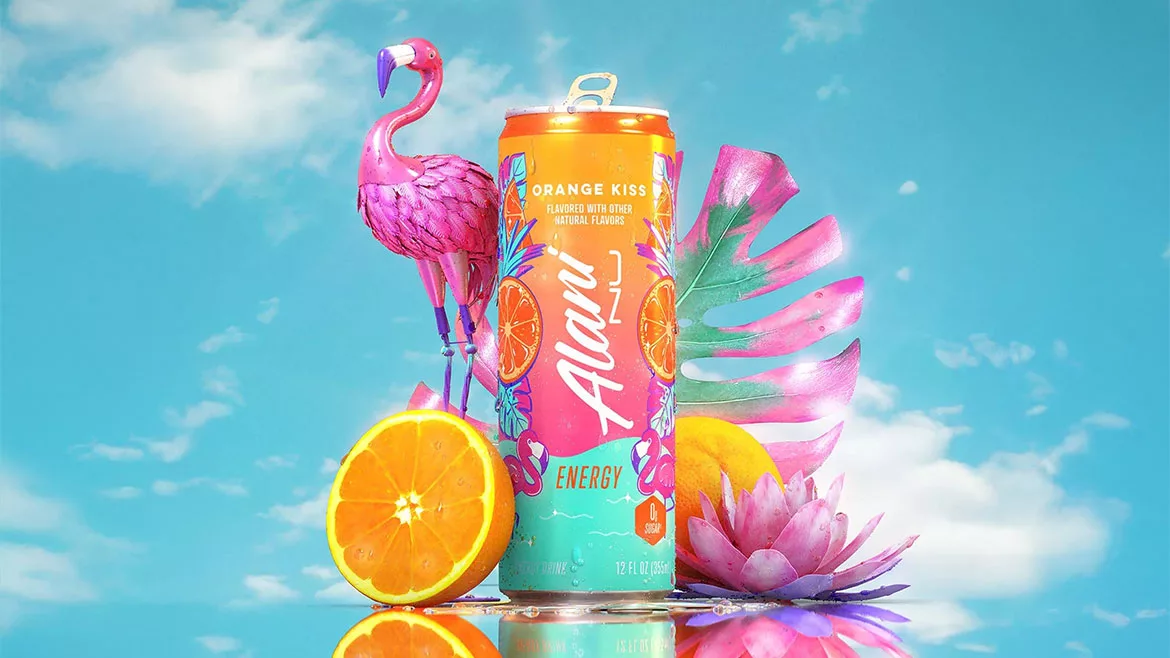
In an overview of the spirits sales trends in 2025, DISCUS reported that spirit ready-to-drink cocktails were a bright spot for the industry growing to a nearly $4 billion category.
“Consumers are showing a strong preference for spirits ready to drink cocktails because they’re made with real spirits, offer great convenience and flavor, and include lower alcohol options,” Swonger said.
Premixed cocktails including spirits RTDs reached $3.8 billion, up 16.4% year over year. Spirits RTDs have more than doubled their market share since 2021 and are up 11 percentage points in market share in 2025, while malt-based seltzers are down 14 points. All other major categories showed declines.
Top 5 Spirit Categories by Revenue in 2025:
• Vodka sales total $7 billion (-3%)
• Tequila/mezcal sales total $6.4 billion (-4.1%)
• American whiskey sales total $5.1 billion (-0.9%)
• Premixed cocktails including spirits RTDs up to $3.8 billion from $540 million (+16.4%)
• Cordials sales $2.7 billion (-3.2%)
Trade impacts
During the briefing, DISCUS reported that global trade tensions continue to weigh on distillers including unresolved retaliatory tariff threats, the removal of American spirits from most Canadian retail shelves, and broader uncertainty that hinders long term planning.
2025 also marked some positive trade developments including the continued protection of American spirits from retaliatory tariffs and reduced tariffs in India and Turkey.
“The unpredictability surrounding global trade issues continues to weigh heavily on the U.S. spirits sector,” Swonger said, noting that the Council’s most recent data showed American spirits exports declined 9% year-over-year in the second quarter of 2025. “Reinstating zero-for-zero tariffs on distilled spirits must be a priority to get our American distillers back on a path to growth and prosperity.”
Special guest speaker, Robert Cullins, CEO of Disaronno International USA LLC, highlighted how his spirits businesses, which include Maryland-based Sagamore Spirit Distillery, have been impacted by the ongoing trade tensions.
“Canada once accounted for 10% of our American rye whiskey exports, and overnight that business disappeared,” Cullins said. “We spent nearly three years working through the regulatory process to bring our whiskey to Canadian shelves, so having the market close without warning has been incredibly discouraging. While provincial prohibitions have kept our products off the shelves, we remain committed to our Canadian consumers. Our products are meant to be shared and bring people together, and we look forward to the day, hopefully soon, when we will be back in Canadian stores.
“We’re eager to introduce our new Sagamore Spirit Bourbon to consumers in Europe, but everything is on hold until these tariff issues are resolved for good,” he continue. “As a small craft distillery, we simply can’t afford to invest in new markets and build relationships only to have the rug pulled out from under us. Our Baltimore distillery supports local jobs, tourism, and family farmers, and we’re ready to keep growing. Securing permanent, tariff free access to international markets will allow us to keep investing in our community and our future.”
In the public policy arena, Swonger highlighted a number of important victories in 2025 at the federal and state levels including:
• American spirits remain free from retaliatory tariffs
• RTD market access improvements in Connecticut, Indiana, Maine and Virginia; expanded RTD sales to 400 private beer/wine licensees in Montgomery County, Maryland
• Defeated tax threats in 13 states
• Third-party delivery secured in Arizona and Virginia
• Cocktails to-go permanency in Nevada and Vermont, bringing total to 32 states and D.C.
• Closed federal loophole that unintentionally legalized the sale of intoxicating hemp, unlike alcohol these products are neither taxed nor regulated by the federal government
Swonger also outlined DISCUS’ priorities for 2026:
• Securing the permanent return to zero-for-zero tariffs on all distilled spirits
• Advocating for the return of U.S. distilled spirits products to Canadian store shelves
• Defending distilled spirits sector from federal and state tax increases
• Ensuring intoxicating hemp products are recognized as THC products and are appropriately regulated and taxed at the federal and state level
• Increasing retail access and fairer tax treatment for spirits ready-to-drink products in the states
• Expanding marketplace modernizations including spirits direct-to-consumer shipping
Looking for a reprint of this article?
From high-res PDFs to custom plaques, order your copy today!