Generation Z, Alpha reshape beverage trends
Functionality, sustainability among top trends with younger generations

To some, when they hear the numbers “six, seven,” they assume someone is counting. To others, particularly in Generation Z (or Zoomers) and Generation Alpha, it is a meme that requires one to put their hands in a shrug motion and wave them up and down.
Although the meaning of the meme is unspecified, it became widely popular last year — to the dismay of many schoolteachers and parents. In a similar fashion to generational memes, beverages are another area impacted by Gen Z and Alpha consumers.
Mitch Madoff, head of retail partnerships at Keychain, New York, shares how technology is shaping these younger generations.
“Gen Z and Gen Alpha have grown up in completely different tech environments, and it shows in how they act as consumers,” he says. “Gen Z watched technology transform around them, but for Gen Alpha, smart devices, social media and AI (artificial intelligence) have always been part of life.”
Madoff notes that it is interesting how Gen Z and Alpha use that connectivity.
“They’re incredibly self-expressive, globally minded and see brands as extensions of their identity,” he states. “These younger generations aren’t just choosing a product to buy — they’re choosing extensions of who they are. They also expect more than just great products; they want seamless digital experiences and real interactions with brands.”
Rachel Bonsignore, vice president of consumer life at NielsenIQ (NIQ), Chicago, says that Gen Z’s total spending is rising sharply and is set to become one of the most powerful consumer forces over the next two decades.
“By 2050, Gen Z is projected to approach over $5.5 trillion in annual spending (PPP), making it one of the top two spending generations,” Bonsignore shares.
She notes that Gen Z is the first truly digital-native generation, with their shopping journeys beginning online and influenced heavily by social media and peer reviews.
“Gen Z is the most diverse generation of adults today (50% non-white), which will continue for Gen Alpha,” Bonsignore says.
Gen Zers also are value- and quality-driven, she notes, placing emphasis on price, quality and sustainable/natural product attributes. They are motivated by authenticity, identity and belonging (“Being true to yourself” is the No. 1 success indicator), Bonsignore says.

“Gen Z is challenging traditional values; they are notably less likely than millennials were at the same age to prioritize values like stable personal relationships, which is evident in their movement away from life milestones like marriage and parenthood,” she explains.
Meanwhile, Bonsignore says that Gen Alpha’s spending will begin to meaningfully climb in the late 2020s and accelerate throughout the 2030s and 2040s as they enter adulthood.
“Gen Alpha shows the fastest growth rate of any generation, with a steep upward curve through 2050,” she shares. “By 2050, Alpha spending is projected to reach approximately $4 trillion, overtaking baby boomers and closing in on Gen X. Social media is a defining discovery engine for Gen Alpha, shaping how they learn about new products and trends.”
Further, Gen Alpha is being raised in an environment where clean-label, functional and better-for-you (BFY) products are the norm — establishing a new baseline for what this generation considers high quality and trustworthy, Bonsignore states.
“They gravitate toward bold, engaging and modern sensory experiences, making them early adopters of fresh, expressive and playful product profiles across categories,” she adds.
These attributes differ from previous generations.
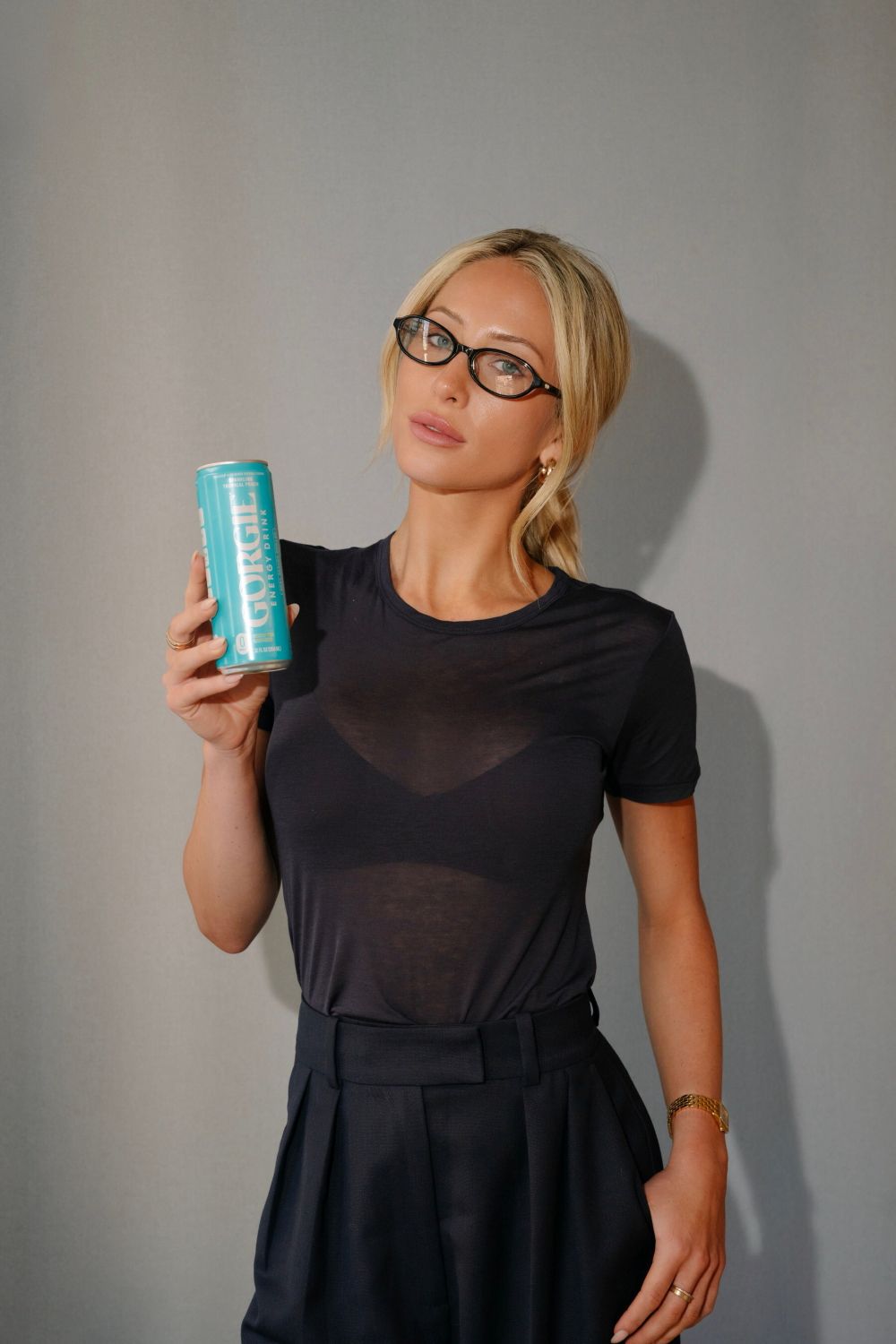
Bonsignore shares that Gen Z searches for novelty, fun and newness more than old consumers.
“Gen Z is far more influenced by social media and online peer reviews, whereas boomers and Gen X rely less on digital influence,” she says. “Sixty-seven percent of Gen Z views private label as equal to national brands, higher than older cohorts.”
As for Gen Alpha, Bonsignore notes that it is the first generation raised from birth in a world where functional, clean-label products are the norm, unlike Gen Z who grew into it and boomers who largely reject function-forward snacks.
“Alpha is far more digitally conditioned in their discovery habits (friends, school and social media dominate) compared with boomers and Gen X,” she adds.
When comparing boomers and Gen X with younger generations, Keychain’s Madoff says to think about how one’s parents or grandparents shop. They tend to stick with brands they know, value a good deal and trust names that have been around forever, he notes.
“Gen Z and Alpha, on the other hand, care less about legacy brands and more about whether a brand understands them, reflects their values and speaks to what matters in their lives right now,” Madoff explains. “They’re also more willing to try new brands when ones they currently use no longer align with their personal values. If something disappoints them or stops feeling relevant, they move on without a second thought.”
Instead of trusting a TV commercial, Madoff says that Gen Z and Alpha are more likely to believe what their favorite content creator says or what they see their friends buying.
“Traditional brand loyalty no longer carries the same weight as it once did,” he adds.
Hiro Takemasa, senior consumer lifestyles analyst at Chicago-based Mintel, notes that the younger generations are much more comfortable on social media than older generations, making them more brand aware and more knowledgeable about current trends.
“From a social standpoint, younger generations are typically in more junior positions at work, have less attachments and commitments, and prioritize their individual growth and identity formation,” Takemasa says. “The pace of societal change in the U.S. (greater acceptance of LGBTQ+ identities, greater racial and ethnic diversity and the breadth of technological revolutions) has instilled a greater expectation, if not acceptance, of change, compared to older generations.”
Combining these points, Mintel’s analyst says that Gen Z and Alpha are more individualistic, experimental and less deferential (less loyal to brands, less trusting of expertise) than older generations.
“It’s important to note that these traits are of Gen Z and Alpha as a whole, and there are certainly pockets of younger consumers who hold ‘traditional’ values, but holding these views also seem partially motivated by a desire to differentiate — from newer societal norms developed since the turn of the century,” Takemasa adds.
In an Innova Market Insights report titled “Gen Z food trends in the U.S.,” the report states that the health priorities of Zoomers span across a variety of factors from skin, brain, energy and digestion. It notes that most brands can find success so long as they align with transparency, balance and relevance to everyday life.
“For Gen Z, food education comes largely from TikTok,” the report says. “For them, food is approachable and experimentation is an important and relevant factor. Foods that feel accessible and are visually engaging appeal to this group. For brands, this creates an opening through formats that invite participation and engagement.”
Getting engaged
When it comes to consumable products, Gen Z and Alpha are enticed by certain attributes, experts explain.
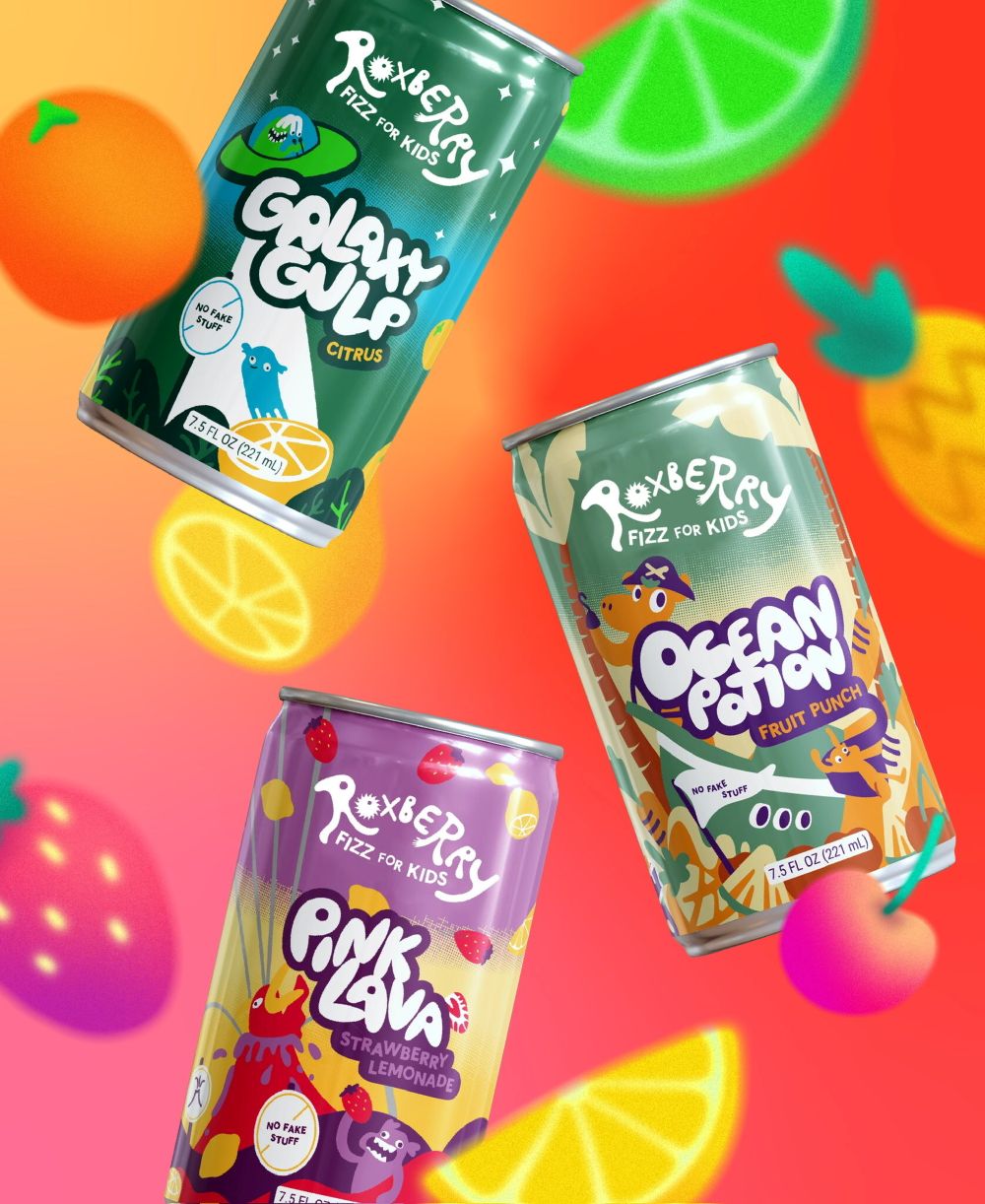
Keychain’s Madoff says these generations want to know the actual ingredients of what they are drinking and eating, and they want that information upfront.
“Take RXBARs: they list every ingredient right on the front of the package in bold, minimalist design,” he states. “It’s straightforward, honest and exactly what these consumers are looking for, and the impact shows: on Keychain, we’ve seen their strong growth play out.”
But it’s not just about personal health, Madoff notes.
“They’re also thinking about the planet, so sustainable packaging and environmental responsibility factor heavily into their choices,” he adds. “Brands like Lesser Evil are packaging their popcorn in compostable bags, and that kind of commitment resonates with these younger consumers.”
NIQ’s Bonsignore shares a handful of Gen Z’s consumable priorities, noting that affordability and value are top drivers, given economic pessimism and inflation pressures.
“Quality, especially natural ingredients and evidence of product safety, efficiency or transparency,” she notes. “Sustainability and ethics, though a Say-Do gap exists. Gen Z says they care (77% won’t buy from countries with poor environmental standards) but still buy fast fashion and popular tech gadgets.”
On the positive side, Bonsignore adds that cost and efficacy concerns are least likely to deter Gen Z from making eco-conscious purchase decisions. Functional health is another important attribute to Gen Z, with low sugar, high protein, natural, eco-friendly and cruelty-free products standing out to them, she notes.
According to Bonsignore, the top factors influencing products that Gen Z consumes include nutritious, natural, sustainable, organic and animal friendly. Fast-rising factors on the list include nutritious, GMO-free, minimal packaging and products made domestically.
“Gen Z is leading a shift away from the traditional ‘three meals a day’ habit, relying more on snacks, smaller meals and eating on the go than previous generations,” she says.
As for Gen Alpha’s consumable priorities, Bonsignore points to clean-label and functional products from early childhood that form their baseline expectations. Gen Alpha has flavor-forward preferences with high affinity for sweet and fruity flavors and low preference for minty/umami.
“Social discovery strongly influences what they try,” she adds.
Mintel’s Takemasa states that Gen Z is more inclined to explore functional beverages, which are convenient, innovative and offer added benefits such as energy relaxation and nutritional enhancements.
“While data on Gen Alpha directly addressing this is limited, expect Alpha to follow similar trends with Gen Z, both due to their exposure to these innovations through social media and youth’s perennial desire to differentiate themselves from what came before,” Takemasa says. “Be aware also of the ‘aesthetic effect’ — the importance of visual appeal for younger generations.”
Gen Z and Alpha engage with brands differently than previous generations as well.
“Gen Z and Alpha have greater expectations from brands to match their personal values, either in the attributes of the product or the way the brand operates as a business,” Takemasa notes. “For many younger consumers, voting with their wallet represents a greater expression of their identity than political engagement, where they often feel powerless.”
Many brands have adopted the tactic of hyper-responsiveness, elevating expectations, Takemasa adds.
Keychain’s Madoff states that everything happens online now. The younger generations are not discovering products through TV ads or billboards, he notes, but instead finding them through people they follow, creators they trust and friends who are posting about what they just tried.
“And once they find a brand, they expect a two-way conversation,” he says. “Whether that’s responding to comments, showcasing real people in marketing or offering collaborations and exclusive drops, they’re looking for cultural moments that make them feel a part of something bigger. Look at brands like poppi, which has built its entire presence around being part of the conversation, not just advertising to people.”
Limited drops, collaborations and behind-the-scenes content work because they create moments that feel exclusive and participatory, Madoff explains.
“It’s less about ‘here’s our product’ and more about ‘welcome to our world,’” he adds.
NIQ’s Bonsignore shares that Gen Z is omnichannel first. They begin online, research through social media, then purchase online or in-store, where Gen Z over-indexes in spend.
“Gen Z is most likely to use their mobile device in-store to help them make purchase decisions and get more information about products/promotions,” she says.
Gen Z’s engagement includes a high adoption of social commerce, with 53% having used “buy” buttons on social networks. Bonsignore also says that this age group is most comfortable giving up personal information in exchange for benefits such as personalized recommendations or deals.
Peer influence among Gen Z is powerful as well, with “opinions of friends” ranking among their top purchase drivers, Bonsignore adds. Gen Z is interested in immersive, virtual shopping, such as augmented reality (AR) or virtual reality (VR), and “shopping with friends” digitally, with a third of the generation already doing so, Bonsignore notes.
When it comes to Gen Alpha, Bonsignore says that a third of the generation has been digitally conditioned from early childhood, discovering preferences through friends, school, family and especially social media. They are likely to adopt clean-label and functional messaging as baseline expectations, shaping how brands must communicate, he explains.
Innova’s report on Gen Z highlights that beverages are increasingly being viewed as a “wellness shortcut” by consumers. With categories like bottled water, the report states that Zoomers are looking beyond simple hydration.
“Water can also act as a functional and lifestyle-driven product,” it says. “Emphasis on electrolytes, mood-alignment or energy benefits also position water as a performance tool. Liquid Death is an example of this, as it reimagined water as a functional and lifestyle-driven product.”
Embracing emerging trends
As the experts have mentioned, social media has had a large influence on the product choices of Generation Z and Alpha.
Mintel’s Takemasa notes that Gen Alpha views social media as access to “cool” influencers and transfers influence from parents to peers more quickly. Additionally, kids are getting older younger, Takemasa adds, as social media gives younger generations exposure to adult themes at younger ages.
Keychain’s Madoff notes that social media has become the primary discovery engine, influencing younger generations on what’s worth buying or what they pass on.
“If they want to know about a product, they’re checking TikTok or Instagram to see what people are saying.” he says. “When something goes viral and is backed by creators they trust, it doesn’t just trend, it flies off shelves.”
Peer validation and “try with me” content — where consumers’ favorite influencers show off new products and give their honest reactions live —also are driving purchasing decisions faster than traditional channels have in the past, Madoff states.
“If it’s trending and the right voices are behind it, these generations see it as credible,” he adds.
For Gen Z, NIQ’s Bonsignore highlights some of the reasons that social media is a major purchase driver:
- It is one of the top two digital sources influencing Gen Z’s food purchase decisions (apps and social media).
- Gen Z is more likely than average to say that shopping is a very important aspect of their social media engagement, and that social media influencers influence the brands they buy.
- Fifty-three percent have used social commerce buy buttons.
- Beauty, health and fashion categories see outsized impact, with 81% of TikTok Shop dollar sales tied to Gen Z-heavy beauty categories.
With Gen Alpha, Bonsignore says social media’s influence is even stronger. Over a third of Gen Alpha learns about snacks via social media, shaping early brand affinity and taste expectations, she adds.
In terms of beverages, certain categories are more popular with the younger generations than others. Bonsignore says that Gen Z is “really changing the way we think about beverages.”
“For those who are of legal drinking age (LDA), ready-to-drink (RTD) options like hard seltzers, flavored malt beverages (FMBs) and canned cocktails are extremely popular,” she shares. “NIQ data shows that about a third of Gen Z adults regularly choose hard seltzers when they buy alcohol. What’s interesting is that this generation also values moderation, so low-alcohol and even no-alcohol craft drinks, such as hard kombucha, are gaining momentum.”
On the non-alcoholic side, Bonsignore states that Gen Zers are driving the growth of functional beverages.
“They want drinks that do more for them, products with probiotics, adaptogens, vitamins and energy boosters,” she notes. “Convenience plays a big role, too, so these products performing well in places like convenience stores.”
Although younger and not yet making purchases themselves, Generation Alpha influences what their families buy, Bonsignore says.
“They’re drawn to beverages that are fun, visually appealing and customizable,” she adds. “Think bright colors, layered textures and drinks that feel like an experience. These preferences often show up in family dining and entertainment settings, where Instagram-worthy drinks are a big hit.”
Even though they’re not buying directly, Bonsignore says that Gen Alpha’s influence is shaping innovation in the beverage space.
Keychain’s Madoff has observed Gen Z being drawn to the wellness angle and the benefits that functional drinks offer, while Gen Alpha loves beverages that are fun, colorful and made for sharing on social media.
“As both of these generations get older and their buying power grows, we’re expecting the better-for-you options to become their everyday choices, not something they pick up occasionally,” he shares.
Functional drinks are really having a moment, Madoff notes, with enhanced waters, energy drinks with actual benefits and sodas with probiotics or vitamins are seeing growth as people look for beverages that do more than just taste good.
“The prebiotic soda category has exploded, with brands like OLIPOP seeing massive growth,” he explains. “It shows how quickly these generations are reshaping what’s considered a go-to in the beverage aisle.”
Much like millennials, Gen Zers are spreading their beverage consumption broadly, Mintel’s Takemasa shares, especially in comparison to Gen X and older, who tend to concentrate their spend on traditional staples like coffee, milk, tea and carbonated soft drinks (CSDs).
“Instead, Gen Z is more inclined to explore functional beverages — those that are convenient, innovative and offer added benefits such as energy, relaxation or nutritional enhancements,” Takemasa says. “This is both a function of their greater exposure to newcomers and innovations through social media and the greater willingness to experiment typical of younger individuals. Expect Gen Alpha to follow similar trends with Gen Z, both due to their exposure of social media and youth’s perennial desire to differentiate from what came before.”
Moreover, beverage brands are structuring their products and marketing campaigns to appeal to Gen Z and Alpha’s wants and needs, experts note.
NIQ’s Bonsignore notes that, for Zoomers, brands are stacking product attributes (such as sustainable and cruelty free and natural), because stacked claims drive higher sales growth than single claims. Gen Z disproportionately drives the development of “better for” products, which grow faster than conventional items and are propelled by younger shoppers, he says.
Bonsignore also notes that beverage brands are personalizing experiences using apps and retail media networks, matching Gen Z’s expectations for tailored recommendations. Creating fun, novel and authentic brand expressions reflects the generation’s desire for freshness in products and marketing. Additionally, she says that brands invest in omnichannel presence because Zoomers simultaneously shop mass merchandisers, grocery stores, direct-to-consumer (DTC) and social commerce.
For Gen Alpha, Bonsignore notes that brands are opting for clean-label, function-first product design (high protein, low sugar, allergen-free, natural), because Alpha is being raised on these factors as normal. Brands are employing socially visible innovation because Gen Alpha’s first exposure to snacks is increasingly through social media, she says. Bonsignore adds that flavor-forward innovations are tailored to Alpha’s preferences to build early loyalty.
Keychain’s Madoff says that the brands that truly connect with consumers are telling better stories and being transparent about why their product matters.
“On the product front, that means cleaner formulas, packaging that doesn’t harm the planet and formats that fit into busy, mobile lifestyles,” Madoff explains.
On the marketing side, it’s all about showing up authentically, he adds, featuring real people, tapping into cultural moments and creating content that invites people to be part of the conversation.
“The breakthrough brands will be the ones who can bring all of this together and develop products that are in sync with today’s new age consumers,” Madoff concludes.
Looking for a reprint of this article?
From high-res PDFs to custom plaques, order your copy today!