Unlocking the potential for functional beverages
Consumers turn to fortified drinks for a range of benefits
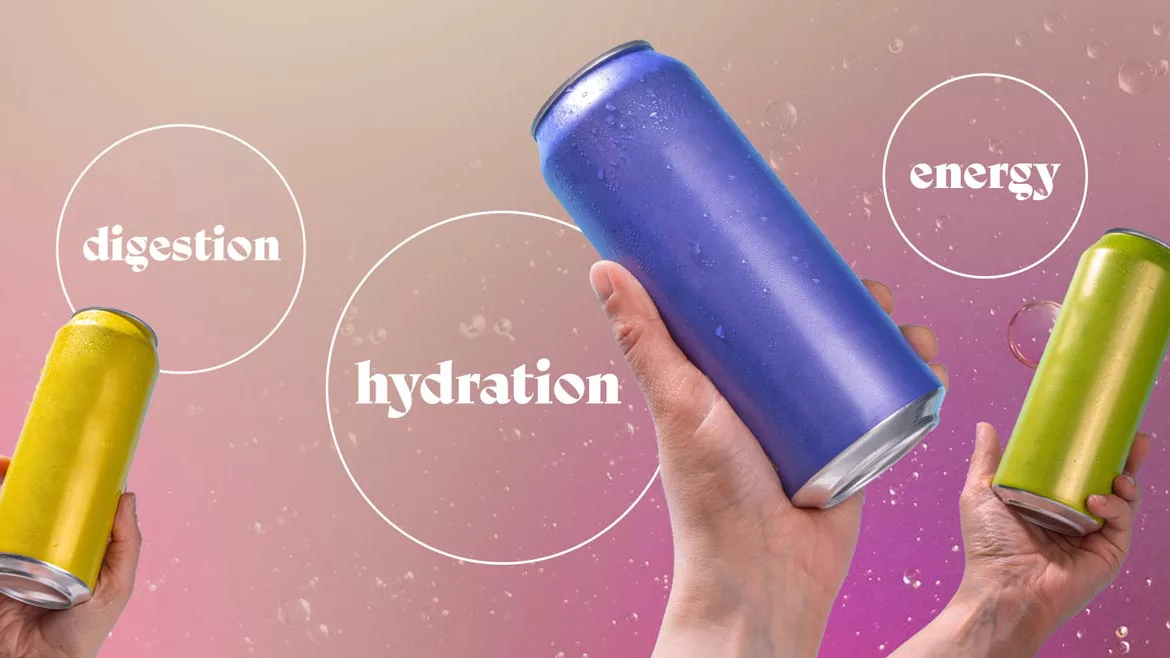
In the PBS Kids program “Wild Kratts,” Chris and Martin Kratt always are focused on discovering the creature powers from the animal their investigating whether it be wild turkeys, tardigrades, dholes and more. In the day-to-day world, consumers are focused on discovering what foods and beverages can support their health and wellness needs.
To meet these needs, functional beverages are seeing an increase in usage from consumers, experts note.
“Consumers are increasingly integrating functional drinks into their daily routines as part of a holistic approach to health,” says Kelsey Girard, senior food and drink analyst at Mintel, Chicago. “They are looking for beverages that offer benefits that build upon the basics of hydration and refreshment such as energy, immunity, cognitive support, anti-inflammatory options and even beauty enhancing. While interest in the inherent benefit of beverages (hydration) spans across generations, younger consumers are especially engaged with multi-functional products that address both immediate and long-term wellness goals.”
Mitch Madoff, head of retail partnerships at Keychain, New York, also notes the growing interest from consumers.
“Consumer interest in functional beverages is growing rapidly, as today’s shoppers are increasingly focused on health and wellness,” he says.
In proprietary research for Beverage Industry, New York-based Attest conducted a survey of 1,000 respondents about functional beverages. In the survey, 29.6% of respondents indicate purchasing functional beverages “often,” while 26.4% noted purchasing them “very often.” A fair percentage of respondents indicated only “sometimes” purchasing functional beverages with 27.1% noting the frequency.
Smaller groups expressed little to no interest in purchasing functional beverages with 10.1% stating “rarely” and 6.8% listing “never.”
What consumers want
Given the frequency in which consumers are opting for functional beverages, knowing what attributes are in the most demand will drive the next generation of products.
In Attest’s survey, respondents were asked to select all the functional attributes in which they seek in beverages. Energy came out on top with 59.9% of respondents selecting it as one of the functional attributes that most appeal to them. Tying at No. 2 are immune support and digestive health with 34.6%, respectively. Not far behind is sports performance and recovery with 34.5%.
Additional functional attributes named were weight/appetite control (28.9%); cognitive health, for focus/mood, (25.2%); relaxation and sleep support (24.7%); and beauty and body support, for skin, nails, hair and joints, (19.7%). The survey found 2.6% listed “none” and 1.3% indicated “other” for functional attributes sought.
Mintel’s Girard also highlights the importance of hydration as well as the evolution of what attributes are the most in demand.
“Hydration benefits remain the most sought-after, as this benefit feels accessible, familiar and tangible,” Mintel’s Girard says. “Between 2023-24, the second most sought-after functional benefit switched from immune boosting to calming/relaxing, signaling a slight shift in consumers wellness priorities.”
Girard adds that shoppers’ overall interest in functionality in beverages remains high, “with over half reporting interest in functional drinks that deliver benefits ranging from calming/relaxing to digestive aids and beauty enhancing beverages.”
Keychain’s Madoff also notes the interest in hydration-focused beverages, but further calls attention to energy-boosting formulations.
“Drinks powered by natural caffeine, adaptogens or electrolytes are appealing to people who want steady energy and focus throughout the day, without compromising on taste or convenience,” he says. “It’s all about finding drinks that fit seamlessly into busy, health-conscious lifestyles.”
But the functional attribute that Madoff says is driving the market right now is digestive health.
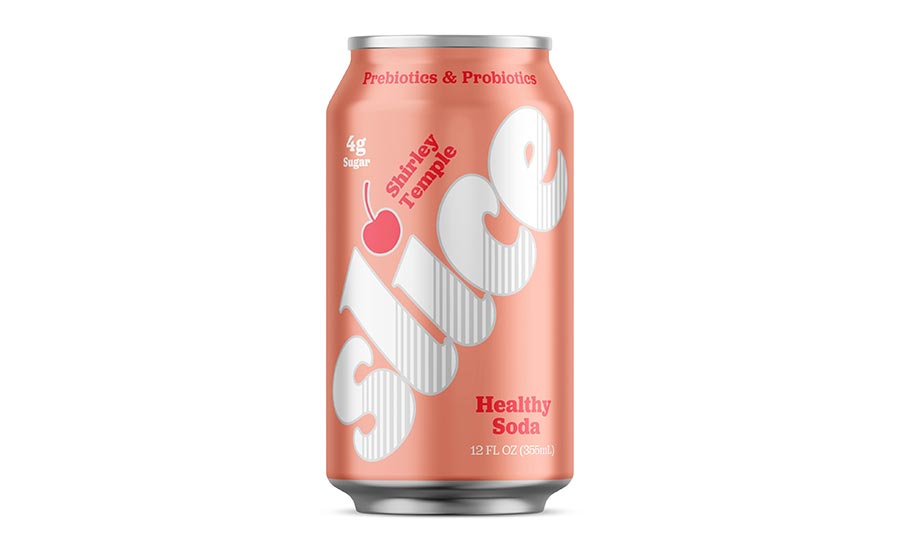
“Gut health is at the forefront of the functional beverage movement, as consumers increasingly connect digestion to overall wellbeing ― from immunity to mood,” he says. “Probiotic, prebiotic and fiber-rich drinks have become some of the most sought-after options on the market, with Keychain showing brands like Olipop and Poppi leading the charge. This growing focus on digestive balance is sparking major innovation in low-sugar and fermented beverages.”
Understanding what functional attributes consumers want can be valuable for beverage-makers. In Attest’s survey, 40.4% of respondents stated they are “very likely” to try a new beverage if it features a functional attribute they desire, while 38.2% stated they were “likely.”
Shoppers also are showing that clinical research to support claims is top of mind with 41.1% calling it “important” and 31.8% viewing it as “very important.” Fewer than a quarter (21.6%) stated it was “neither important no unimportant.”
However, functionality is not the only factor that consumers take into account when considering functional beverage purchases.
In Attest’s survey, 58.6% stated that taste is “very important” with 31.4% said it was “important.”
Yet, this must be balanced with health and wellness goals as 33.2% of respondent indicate that low or no sugar content is “important” when considering functional beverages. The survey found that 30.8% consider it “very important.” Roughly a quarter (24.8%) view it as “neither important nor unimportant.”
Keychain’s Madoff also highlights the value that taste serves with functional beverages.
“They want options that not only taste good, but also support specific goals like better digestion, sustained energy, or mental focus,” he says. “To keep up, brands are reformulating existing products or developing new ones designed to fit into a more health-conscious lifestyle.”
Madoff also explains that the market has seen an increased push for transparency and simplicity.
“People are steering away from artificial ingredients, sweeteners and dyes, and instead gravitating toward clean-label drinks made with real, recognizable ingredients,” he says. “This has opened the door for more functional add-ins like probiotics, adaptogens, and plant-based proteins, giving consumers the boost they’re after in a way that feels authentic and purposeful.”
What, whom, and where
When it comes to the delivery method in which consumers derive their functional products, beverages offer a variety of categories to fit the diverse occasions that shoppers are seeking function.
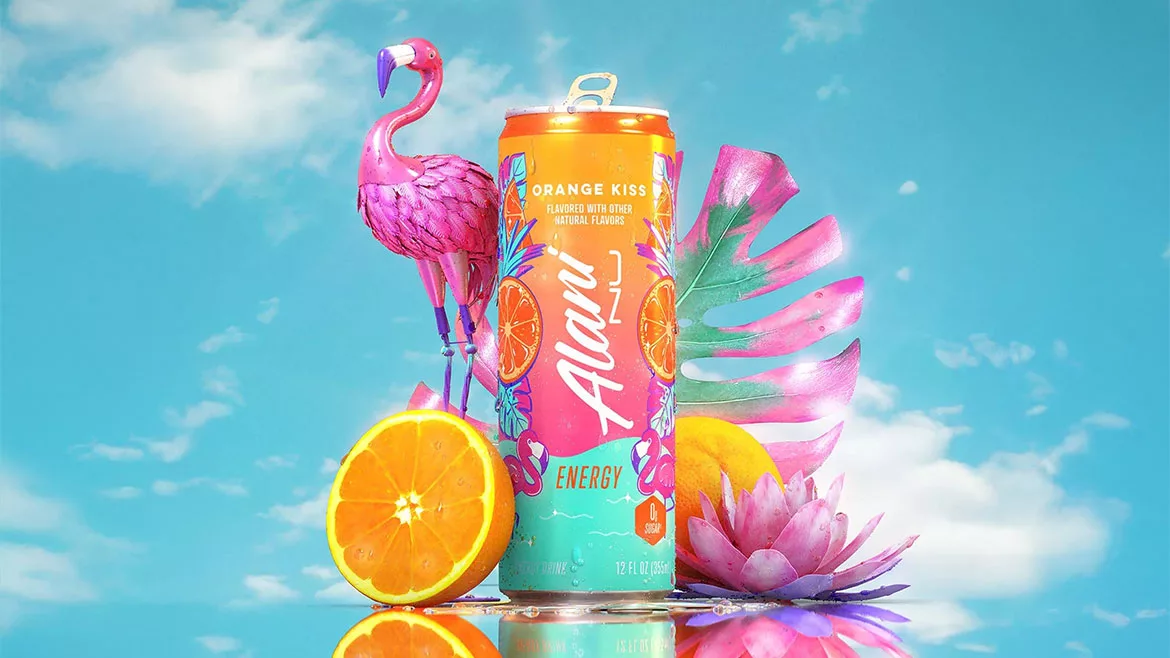
“Sparkling waters, ready-to-drink teas and juices are some of the most common bases for functional drinks since they can easily incorporate probiotics, prebiotics or adaptogens without compromising taste,” Madoff says. “Brands like Juni and HOPWTR are redefining what soda and sparkling water can be: gut-friendly, low-sugar, and mood-boosting. Keychain data also shows a shift in the energy drink space, with brands like Alani Nu standing out by using ingredients like L-theanine to deliver calm, sustained energy without the crash.
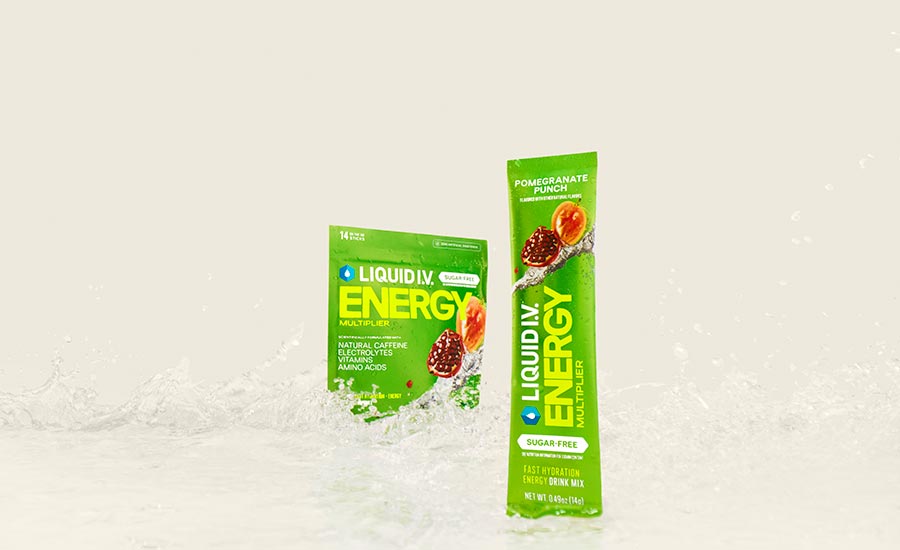
“At the same time, hydration-focused options like BODYARMOR Lyte and Liquid I.V. continue to appeal to consumers looking for daily recovery and balance,” he continues. “Even coffee alternatives like MUD\WTR are gaining traction with adaptogens and functional mushrooms, showing how functional innovation is reshaping nearly every corner of the beverage aisle.”
Mintel’s Girard notes that a review of Global New Products Database indicates some switching is taking place within functional beverage categories.
“Nutrition drinks, while the most common category for functional claims, dropped in product launches with functional claims between 2023-24,” she says. “Sports and energy drinks with functional claims, carbonated soft drinks with functional claims and water with functional claims all grew in prevalence of launches.
“Functional drink product launches continue to demonstrate that diversification is core to keeping up with evolving needs,” Girard continues. “The growth to CSD launches, for instance has been fueled by functional/BFY sodas like Poppi and Olipop, delivering a flavorful and colorful experience where functionality is a bonus. Overall, the functional drink space is continuing to center around fun and the blurring of beverages.”
With all the options to deliver functional attributes to consumers in beverages, experts note that some demographics are more interested in them than others.
“Gen Z and millennials are the most engaged with functional beverages,” Girard says. “They show the highest usage and interest in drinks with targeted health benefits such as hydration, energy, immune support, cognitive enhancement, calming/relaxing and beauty-enhancing properties. These groups are also more likely to consume drinks with multiple functional ingredients and are open to trying innovative flavors and ingredients.”
Keychain’s Madoff echoes similar sentiments.
“Gen Z and millennials are driving the functional beverage boom, reflecting a broader shift toward health and wellness-conscious choices,” he says. “Many young consumers are embracing ‘mindful drinking’ or even going alcohol-free altogether, creating space for beverages that deliver both flavor and purpose.
“We’re seeing brands like Hiyo and Kin Euphorics capitalizing on this trend, offering adaptogen- and nootropic-infused drinks that recreate the social experience of drinking, but with benefits like relaxation, focus or mood balance instead of the buzz,” he continues.
Functional beverage-makers aren’t just tasked with understanding the products, attributes and demographics, but also ensuring these beverages address usage occasions.
“Convenience is key in the functional beverage space, especially as consumers juggle busy, on-the-go lifestyles,” Madoff says. “People want drinks that deliver health benefits without extra effort–something they can grab, sip, and keep moving.
“Ready-to-drink formats, single-serve cans, and portable packaging have become staples, with brands like Culture Pop and Propel leading the way,” he continues. “By focusing on easy, travel-friendly designs, brands are making it simple for consumers to fit functional beverages into their routines, whether that’s in the form of a post-gym refuel, a mid-commute pick-me-up, or a quick boost during the workday.”
Mintel’s Girard echoes similar sentiments. “Consumers want drinks that deliver quick, noticeable results, with Gen Z in particular valuing simplicity and immediate functionality,” she says.
Even with all these aspects to consider, another key component will determine brand growth: price. According to Attest’s survey, more than three-quarters take this into account as 42.2% said price consideration was “very important” while 40.3% said it was “important.” There were 12.2% of respondents that listed price consideration as “neither important nor unimportant.”
What to expect
With functional beverages helping serve so many different need states, experts anticipate this market is poised for more growth.
“The functional beverage market will only continue to grow as consumers look for products that support both physical and mental health,” Mintel’s Girard says. “Sustainability will stay front and center, with brands leaning into plant-based ingredients, eco-friendly packaging and clean-label formulations to meet rising expectations.”
Girard also forecasts we’ll see more blurring between the beverage and supplement worlds.
“More shoppers are reaching for drinks that offer targeted benefits, like mood support, focus, or longevity, instead of traditional pills or powder supplements,” she says. “As wellness becomes part of everyday life, functional beverages are positioned to become a staple of the modern diet and a simple, enjoyable form of self-care.”
Keychain’s Madoff also is optimistic about what lies ahead for the functional beverage market.
“While the functional beverage space is ripe with innovation exploration, the key to unlocking repeat consumers and building a loyal base depends on creating product experiences that are fun (e.g. flavor forward), accessible (especially in the short term) and that deliver tangible benefits,” he concludes.
Looking for a reprint of this article?
From high-res PDFs to custom plaques, order your copy today!