2025 State of the Beverage Industry: Evolving consumer tastes shape wine, spirits performance
Ready-to-drink cocktails, non-alcohol wines offer opportunities
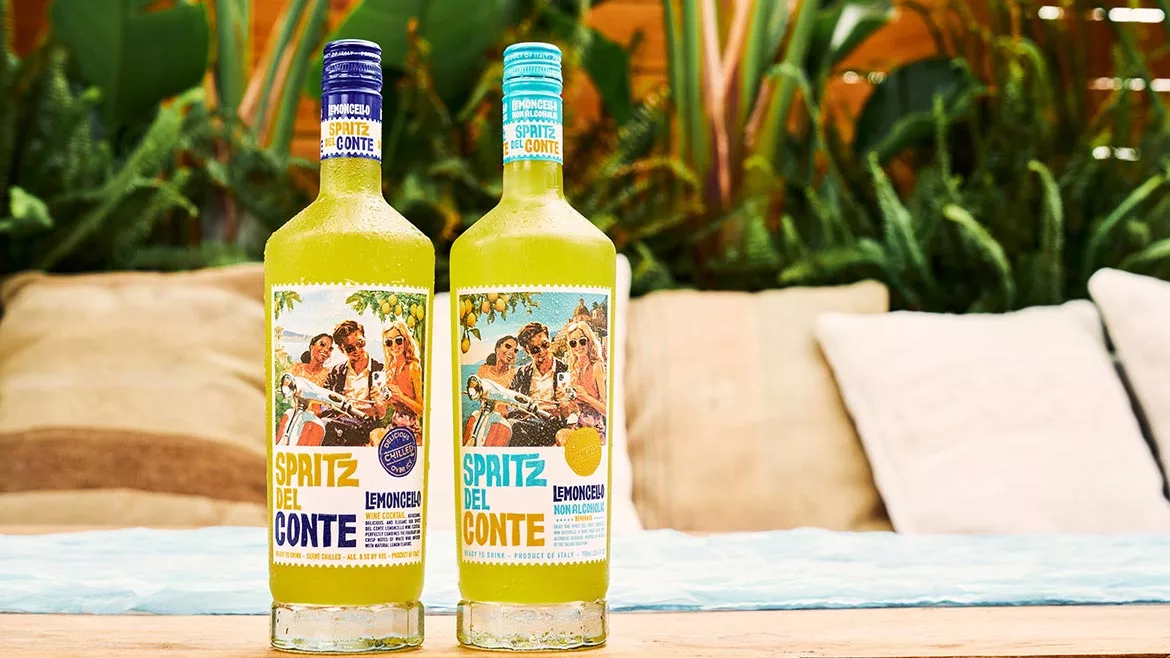
Image courtesy of Riboli Family Wines
The U.S. wine market is feeling the pressure as beverage alcohol contends with changing consumption habits and attempts to appeal to younger legal drinking age (LDA) consumers.
“Overall, the wine market continued to remain under pressure due to rising costs and consumers shifting to lower ‘alternative’ beverage alcohol (e.g. RTD spirits, FMBs, and RTD wine beverages),” said Brian Sudano, S&D Insights LLC, Norwalk, Conn., in Beverage Industry’s February issue. “The market volume will finish down between 2 and 3%.”
Based on data from Chicago-based Circana, the overall table wine market saw a dollar sales decrease of 3.1%, totaling $11.6 billion, for the 52 weeks ending April 20 in total U.S. multi-outlets. Volume sales decreased at 4.8% during that time.
The sparkling wine/Champagne suffered similar declines with dollar sales down 3.7%, totaling $1.7 billion. Volume sales also were down with a decrease of 4.7%.
As wine contends with these challenges, efforts are being made to help the category understand the habits of the younger LDA consumer base.
“Younger consumers’ wine occasions differ from Gen X and boomers before them,” S&D Insights’ Sudano said in Beverage Industry’s February issue. “They don’t engage with wine as a food complement but more for socialization. This has had an impact on the on-premise restaurant business. They also tend to drink newer varietals such as Ganache and Tempranillo.”
Cara Piotrowski, client insights consultant at Circana, added that flavor and sparkling have resonated with Gen Z LDA consumers.
“LDA households gravitate to flavor forward varietals and sparkling offerings within the category,” she said in Beverage Industry’s February issue.
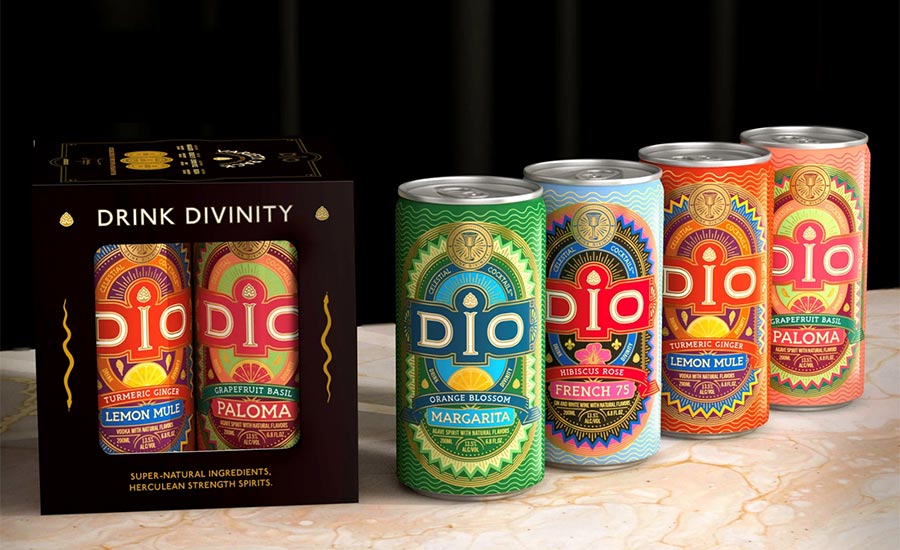
Additionally, a November 2024 Insight from IWSR titled “Innovation in wine branding and packaging,” highlights that Gen Z, those born between 1997 and 2012, have come of age during the rise of non-alcohol spirits and are known to be health-conscious and sober-curious.
“With LDA Gen Z less familiar with wine-specific regions and varietals ― and increasingly swayed by moderation concerns ― they are also sensitive to price increases,” IWSR’s insights states. “Data suggests they are moving away from occasions usually associated with wine consumption, forcing the wine category to adopt a new approach to reach them, and prove its relevance to their lifestyle.”
Given the generations’ moderation interest, the category is seeing new entrants in the lower-alcohol wine space, IWSR notes.
“LDA Gen Zs tend to be open to exploring zero-ABV and low-alcohol wine options for a more mindful, health-conscious approach,” it states. “This group’s interest in lower-ABV wines, and moderation in general, has prompted some low-alcohol brands to highlight ABV rather than hide it.”
Circana’s Piotrowski noted that although it might be small, the non-alcohol wine segment was a bright spot for the category in 2024 with double digit dollar growth of 41% compared with the prior year.
Beyond interest in lower alcohol and non-alcohol wine, the U.S. wine market still is seeing pockets of growth to support the category.
“Super-premium has outperformed as consumers continue to look for quality as a perceived value price point,” S&D Insights’ Sudano said in Beverage Industry’s February issue. “Wines at $10 to $25 communicate quality at affordable price. While wines above $25 are out of reach for many consumers. The value wines suffer from perception of inferior quality.”
Circana’s Piotrowski also highlighted the contributions from higher price point wines, but also called attention to sub-segments within the premium wine arena.
“Premium Box ($4.50-plus) led dollar growth among table wine segments, gaining 3.2% vs. [year ago] (YA) in [last 52 weeks],” she said in Beverage Industry’s February issue. “While ‘premium,’ boxed wines deliver on value while preserving product freshness, appealing in the current economy. Ultra-premium and above segments also delivered growth, led by ultra-premium gains (plus 1.4% vs. YA). As wine continues to premiumize, consumers who are willing to spend are looking for higher quality offered in these segments.”
In terms of non-traditional packaging, Piotrowski noted that box and aseptic packaging have increased the past two years, highlighting brands such as Bota, Black Box and Vandange.
S&D Insights’ Sudano noted that cardboard and bag-in-box have been around for a while, but the aluminum and single-serve cardboard have been more recent in the past several years in an attempt to appeal to younger LDA consumers.
“It has performed very well as the part of the wine market continues to gain share,” he said in Beverage Industry’s February issue. “The most notable brand is Beat Box which continues to expand distribution and consumer pull, especially among younger consumers.”
The wine market also is seeing a boost from traditional varietals, following more recent gains from niche ones. Although some smaller varietals still are delivering on growth.
“There has been some resurgence in traditional varietals like Cabernet Sauvignon, Merlot, Sauvignon Blanc and Chardonnay while some smaller varietals continue to maintain momentum like Ganache and Malbec,” Sudano said.
In terms of top varietals, though, Circana’s Piotrowski said it has remained stable the past few years with Cabernet Sauvignon and Chardonnay as leaders. However, “Sauvignon Blanc and Pinot Grigio have moved up in the ranks among the Top 5 selling varietals,” she added.
Despite these positive contributions to the wine category, the sparkling segment has remained challenged.
“Sparkling wine has recently experienced headwinds after several years of growth as it has moved from a more seasonal drink to an all year-round drink,” S&D Insights’ Sudano said in Beverage Industry’s February issue. “This has been driven by the growth of Spritz cocktails.”
It was not all bad for the sparkling wine segment though, as Circana’s Piotrowski highlighted that modest gains were recorded for popular, up 1.9%, and super-premium, up 0.7%, within the sparkling wine sub-segments.
Spirits sees segments thrive
Not all markets within beverage alcohol have been as challenged as the wine market. Based on data from Circana, the overall spirits market saw dollar sales increase 2%, totaling $12 billion, in total U.S. multi-outlets for the 52 weeks ending April 20. Volume sales were up 4.4% during this time.
However, the growth can be attributed to only a few categories: tequila, dollar sales up 3%, totaling $1.2 billion, with case sales up 1.1%; spirits seltzer centric up 7.4%, totaling $701 million, with cases sales up 6.2%; non-alcoholic mixers up 1.2%, totaling $382 million, with case sales down 2.8%; and premixed cocktails leading all with dollar sales up 27.6%, totaling $1.8 billion, with case sales up 29.3%.
Mitch Madoff, head of retail partnerships at Keychain, New York, noted in Beverage Industry’s April issue that the spirits market has experienced steady growth in the past year. The market continues to thrive, he says, due to evolving consumer preferences and exciting innovations.
“Ready-to-drink (RTD) cocktails are gaining momentum, offering convenience and premium-quality flavors that appeal to modern lifestyles,” Madoff explained. “Agave-based spirits, like tequila and mezcal, remain fan favorites, with strong demand fueling their growth.”
More recently, consumers are leaning toward a balance of premium and value-driven options, Madoff added, exploring new brands and unique flavor experiences.
“Younger shoppers in particular are shaping the market by seeking products that offer a sense of authenticity, craftsmanship and sustainable choices,” he said in Beverage Industry’s April issue. “Innovation is at the heart of the industry, with brands introducing bold flavors, eco-friendly production methods, and functional ingredients to meet changing tastes. Keychain helps brands stay ahead of these trends, creating standout products that match the wants and needs of today’s consumers.”
Additionally, premiumization is a trend that is impacting the spirits category, driving growth as more consumers seek high-quality, experience-driven drinking options, Madoff said.
“Consumers are willing to spend more on craft, small-batch and aged spirits, favoring products with unique flavors, premium ingredients and compelling brand stories,” he explained in Beverage Industry’s April issue. “This trend is especially strong in tequila, whiskey, and gin, where high-end brands like Clase Azul Tequila and Monkey 47 Gin are in high demand. Limited-edition releases and collaborations, like WhistlePig’s Pit Viper Rye or Patrón El Cielo, also drive excitement.”
Simultaneously, economic pressures have led to a balancing act, Madoff noted, with many consumers alternating between premium splurges and more budget-friendly spirit options.
“Popular mid-tier brands like Espolòn Tequila and New Amsterdam Vodka continue to see strong sales as consumers look for quality at an affordable price,” he said Beverage Industry’s April issue. “With inflation still a factor, shoppers are being more mindful of their spending, but are still dabbling in spirits that deliver both value and enjoyment.”
Cara Piotrowski, client insights consultant at Circana, also noted that premiumization trends continue to drive growth for the category.
Improved quality and taste, “coupled with convenience, availability on shelf and comparable ABV (alcohol-by-volume) to malt beverages, have premiumized the RTD space significantly in recent years,” making it the growth driver of the total spirits category in 2024, Piotrowski said in Beverage Industry’s April issue.
“Premium traditional spirits have seen some growth with less price increases, yet they are outpacing lower-priced spirits,” she added.
Michele Scott, associate director of food and drink at Chicago-based Mintel, and Sydney Reibe, food and drink analyst at Mintel, also detailed the affect that premiumization is having on the spirits market.
“Premiumization impacts the spirits category by driving innovation and marketing trends toward top shelf, celebrity-owned brands and those with strong ties to authenticity and heritage, particularly for the tequila and agave-based spirits,” they shared in Beverage Industry’s April issue. “In the dark spirits category, a focus on the craft of spirit-making has boosted bourbon, specifically. Claims about quality, flavor, and brand legacy/story have helped solidify bourbon’s role as a hobby, both as a collector’s item and general connoisseurship.”
Jon Berg, vice president for alcohol industry at NielsenIQ, Chicago, and Kaleigh Theriault, associate director for alcohol industry at NielsenIQ, said that spirits premiumization is unique when considering shopper versus consumer.
“The shopper still supports premiumization in gifting and entertaining at home,” they said in Beverage Industry’s April issue. “BevAl consumers have historically sustained their premium brand choices as a self-identifier and, in some cases, as part of the social fabric within their given personal networks. Even though that is the mindset, moderation pressures are likely to decrease overall consumption, and we expect will impact less spirits purchasing this year across all price tiers.”
Beyond premiumization, other consumer trends are influencing the spirits market. The sober-curious movement as well as the creation of alcohol-removed spirits, are impacting the category, experts note.
“Consumer concerns about health and well-being are motivating some to drink less, moving them away from alcohol and to categories like energy drinks and alcohol alternatives,” Mintel’s Scott and Reibe stated in Beverage Industry’s April issue. “This shift is most evident with Gen Z consumers, and brands have responded by diversifying offerings, including alcohol-free and low-alcohol products.”
Meanwhile, Circana’s Piotrowski noted that although small, the alcohol-removed spirts category has experienced continued growth (up 99% vs. a year ago (YA), gaining share within the total U.S. spirits category,
“Additionally, a new wave of mocktails like AF, Aplos, Mingle, and Three Spirit have ushered in non-alcoholic offerings with improved taste, quality and ingredients, meeting consumer needs for mood elevation without the alcohol,” she explained in Beverage Industry’s April issue.
Keychain’s Madoff said that the sober-curious movement and rise of zero-proof spirits are transforming all sectors of the alcohol market.
“Many consumers are re-evaluating their relationship with alcohol due to the rise of health and wellness trends seen on social media and in mainstream culture,” he shared in Beverage Industry’s April issue. “While traditional spirits like whiskey, vodka, and tequila remain in strong demand, alcohol-removed spirits are gaining traction, particularly among younger consumers. At Keychain, we’re seeing this movement firsthand, with more consumers seeking thoughtful alternatives to traditional alcoholic beverages.”
Madoff added that this growing interest is pushing brands to innovate, creating unique, flavorful non-alcohol products like Ritual Zero-Proof Gin, which mimic the complexity of aged spirits.
NielsenIQ’s Berg and Theriault, meanwhile, shared that adult non-alcohol products will approach $1 billion in sales soon, but still remain less than 1% of total BevAl sales.
“It’s important to note that 93% of non-alcohol buyers are still purchasing alcohol products as well,” they said in Beverage Industry’s April issue. “This shows non-alcohol as an important moderation ingredient.”
Looking for a reprint of this article?
From high-res PDFs to custom plaques, order your copy today!