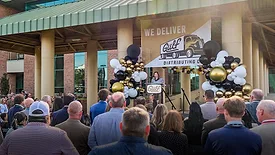
Representing more than 1,000 brands and employing more than 1,300 people across Alabama, Florida and Mississippi, Gulf Distributing Company has developed a family-owned business that embraces history and innovation.
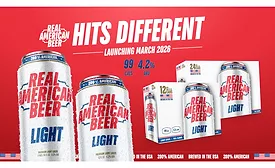
Real American Beer (RAB) announced it’s reached the 10-million-can milestone since launch 18 months ago, and unveiled a strategic relaunch of the brand positioning and partnerships.
Traditional beverage alcohol categories have seen analysts declare doom and gloom or sky high success, but reflection suggest the sun will shine on these categories again.
Beverage-makers debut new, upcoming releases for c-stores
The NACS Show once again set an attendance record for its respective host city, following record crowds in Atlanta (2023) and Las Vegas (2024). The tradeshow featured beverage manufacturers, highlighting their current and upcoming innovations.
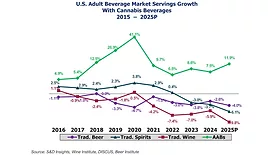
Much has been written about the acceleration of declines in beer during 2025 along with spirit ready-to-drink (RTD) growth and wine softness; however, the outperformance of alternative adult beverages is giving rise to a differentiated market.
NielsenIQ (NIQ) released “The Halftime Report,” a beverage alcohol scorecard measuring the front half of 2025. The report found that total beverage alcohol sales are down 3% year-over-year, totaling $53 billion.
With more than 1,100 employees who serve Greater Houston, including the counties of Harris, Fort Bend and Montgomery, Silver Eagle Houston has built a portfolio of alcohol and non-alcohol products, led by Anheuser-Busch, Constellation Brands and Mark Anthony Brands, that hits all the key needs of its consumers.
As we quickly approach another Fourth of July holiday, beer manufacturers are seeing increasing competition when it comes to consumers’ dollars. In a Q&A with Beverage Industry, Kristine Joji at Insite AI offers some insights with how brand owners can position themselves to stay competitive in today’s beverage alcohol market.
Looking forward, Drizly highlights which drinks trends are poised to have the biggest impact on the beverage alcohol industry, surveying 1,000 adults about the drinks they plan to purchase most in 2024.
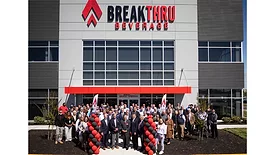
Leading North American beverage wholesaler Breakthru Beverage Group is taking a consumer-centric approach with its portfolio as premiumization takes greater shape in shopper preferences.