Sustainable measures prompt beverage-makers’ interest in cartons, pouches
Packaging formats expand into more beverage applications
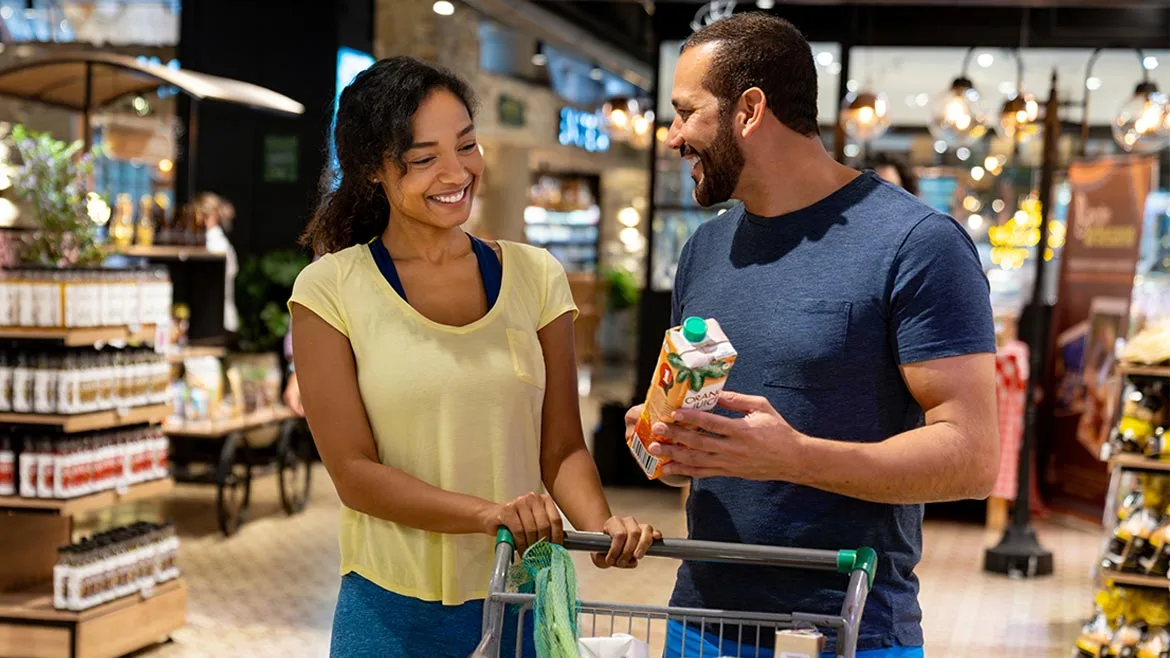
Co-founder of Ben & Jerry’s, Jerry Greenfield is quoted for saying, “Recycling, packaging, businesses are changing all of those things because that’s what consumers want.”
Extending beyond consumer demand, other sustainability measures also are having an impact on beverage packaging and the materials being used, experts note.
“The regulatory environment is, by far, one of the biggest influences on recyclable and sustainable packaging today,” says Robert Hepburn, vice president of sales at TricorBraun Flex, Woodinville, Wash. “Regulations influence package labeling (what can be stated), design (what features can be added), and material selection (what the package is made of).
“It is an ever-shifting landscape, and brands rely on their packaging suppliers more than ever to help them navigate the endless barrage of new regulations and requirements,” he continues. “Adding to the confusion is the lack of a uniform standard. Many states domestically and countries abroad have their own unique laws and guidelines.”
Hepburn adds that beverage brands increasingly are asking about recycle-ready structures, post-consumer recycled content and opportunities to reduce the amount of material used.
“Flexible packaging can use less material and take up less space during transportation than many rigid alternatives, but access to recycling and compatibility remain important considerations,” he explains. “Packaging suppliers must balance sustainability goals with barrier protection, product compatibility, shelf life and overall package performance.”
Daniella Kohler, global key account manager at Stora Enso, Atlanta, similarly notes that brand owners are asking harder questions about what a package is made of, how much of it is plastic and where it goes at the end of life.
“Liquid packaging board answers the first two well: the majority of the package is renewable fiber, and the barrier layers can be kept thin,” Kohler says. “Cartons are designed to work with paper recycling streams, though acceptance still depends on local sorting infrastructure, and that is a conversation we have openly with customers.
“Sustainability measures also shape how the board itself is made,” she continues. “Our first commercial application of microfibrillated cellulose was in liquid packaging board. The result is a wood-efficient board with high fiber yield, which means we get more finished packaging out of every ton of fiber.”
Kohler adds that there is a lot you can do with paper when you pair it with the right barrier.
“Globally, we are the No. 1 supplier of liquid packaging board, and roughly every third liquid carton in the world is made from Stora Enso board,” she says. “We do not have that volume in North America, but several of our converters here have recently invested in equipment that lets them produce both aseptic and gable top cartons. More broadly, demand for less plastic in packaging keeps building, and liquid packaging is part of that shift.”
From the pouch perspective, TricorBraun’s Hepburn says that the company is seeing growing interest driven by changing consumer lifestyles and demand for packaging that is portable, convenient, and easy to use.
“Beverage brands are also looking for formats that can differentiate their products, support new consumption occasions and provide flexibility for emerging products and limited time launches,” Hepburn explains. “Spouted pouches are particularly versatile because they can serve as a product’s primary package, not simply as a refill format.”
Opportunities abound
Given that cartons and pouches offer flexible, sustainable attributes, experts highlight what beverage categories are turning to these packaging formats.
“We see our board used for juices, dairy and other traditional liquid applications. With the right barrier, brands can put water in a carton,” Stora Enso’s Kohler says. “More recently, input cost volatility in competing substrates has widened the conversation. When tariffs were first announced, sourcing domestic aluminum became more complicated, and that gives brands a reason to look harder at paperboard.”
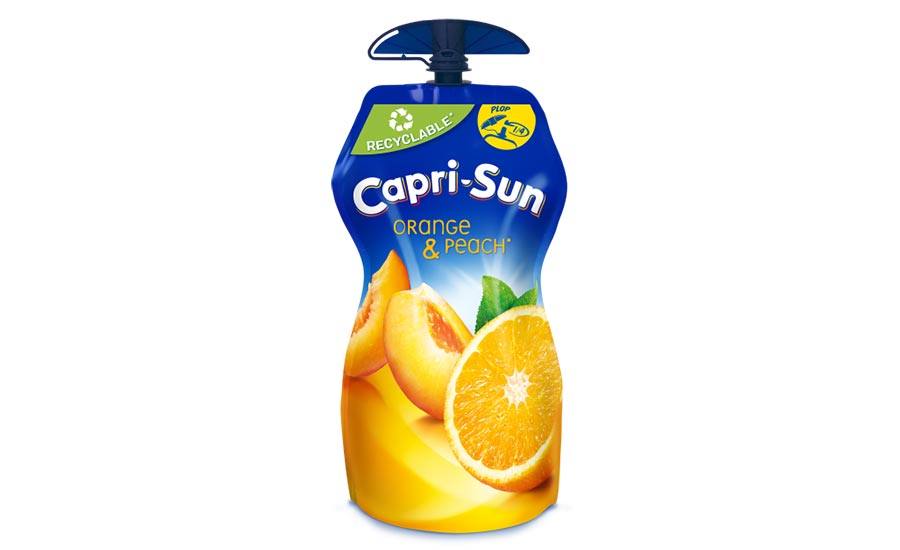 Image courtesy of Capri-Sun
For pouches, TricorBraun’s Hepburn points to opportunities across functional beverages, hydration products, meal-replacement and protein beverages, drink concentrates, mixers, nutritional products and other beverages designed for portable or controlled consumption.
“Pouches can also be well-suited to products consumed over multiple occasions,” he says. “Spouts and closures make them easy to open, pour, and reseal, giving brands an opportunity to create a different consumer experience while delivering convenience and portability.”
As for what’s on the horizon for pouch formats, Hepburn expects continued development of recycle-ready flexible structures, increased interest in PCR options, and advancements in fitments and closures.
“Flexible packaging can use less material and take up less space during transportation than many rigid alternatives, but access to recycling and compatibility remain important considerations.”
– Robert Hepburn, vice president of sales at TricorBraun Flex
Hepburn also anticipates that pouch designs will expand into more beverage applications and consumption occasions.
“Digital printing and lower-volume production capabilities could make it easier for brands to test new products, create seasonal varieties and introduce targeted designs,” he says. “Overall, the market will continue moving toward packaging that combines convenience, performance, differentiation and measurable sustainability improvements.”
Looking for a reprint of this article?
From high-res PDFs to custom plaques, order your copy today!