Inks, coatings tell deeper story
Sustainability, customizations influence beverage-makers ink selections
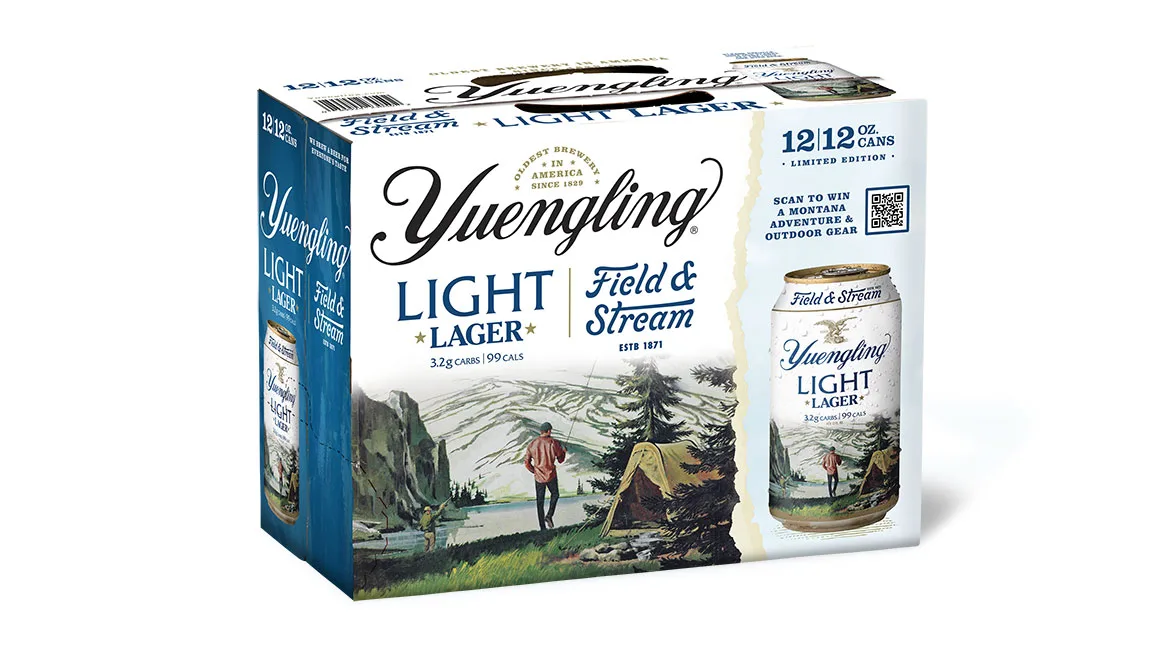
Whether you learned about it while watching the History Channel or the 2014 drama series “Turn: Washington’s Spies,” the use of invisible ink during the Revolutionary War exemplifies the importance of this mixture in U.S. history. Although manufacturers of inks today are not developing secret communications, they are utilizing that innovative spirit to create solutions for today’s beverage manufacturers.
Ryan Ostrowski, Metal Deco R&D manager at INX International Ink Co., West Chicago, Ill., explains that the inks and coatings market is seeing the influence of a host of beverage trends on its products, but one in particular stands out.
“One of the biggest is the continued shift toward sustainable and recyclable packaging, especially with the growth of aluminum cans, mono-material flexible packaging, and recycle-ready label solutions,” he says. “This is driving demand for inks and coatings that support recyclability, de-inkability, low migration and reduced environmental impact.”
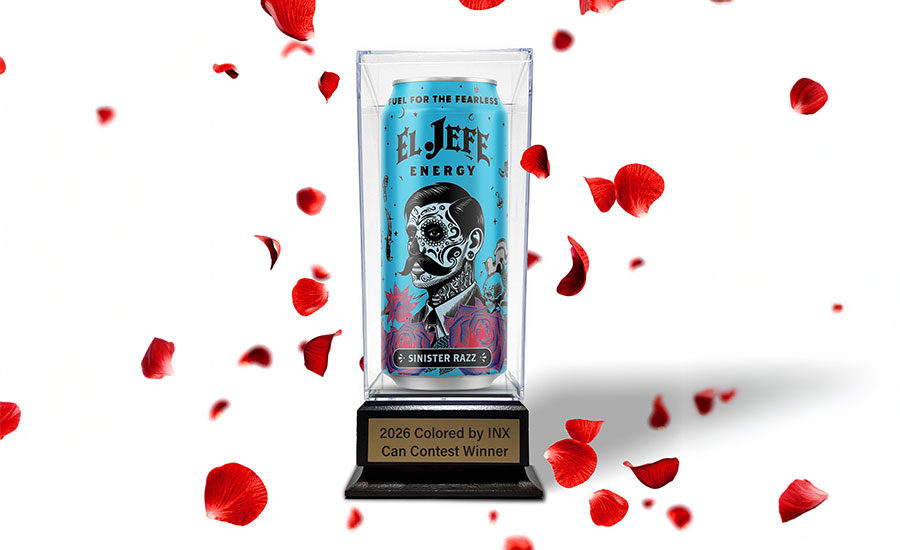
El Jefe Energy – Sinister Razz was named champion of the seventh annual Colored by INX Can Design Contest after earning the highest combined score from both the judges and public voting earlier this year.
Image courtesy of INX International Ink Co.
Ostrowski notes that inks and coatings have seen several advancements gain traction in the beverage market, pointing to technologies that support sustainability goals, production efficiency and packaging performance.
“One major area of focus is eco-friendly ink systems such as INX’s EcoCan platform, which is designed to support circular economy goals, reduce environmental impact, and offer third-party sustainability certification like Cradle to Cradle Certified,” he says. “Natural-based, high-performance inks like INXhrc are also on the rise, helping beverage-makers incorporate renewable materials without sacrificing print quality, durability or press performance. At the same time, low temperature curing technologies are gaining attention because they help reduce energy consumption, lower operating costs and support carbon-reduction initiatives.”
Ostrowski adds that beverage manufacturers are showing interest in inks and coatings that support recyclability, lightweight packaging and digital printing applications.
“Beverage brands want solutions that not only perform at high production speeds, but also help them meet sustainability commitments while maintaining strong shelf appeal and color consistency,” he says. “Together, these innovations help beverage-makers balance performance, efficiency, brand impact and sustainability.”
Although sustainability has had a major influence on inks and coatings, Ostrowski explains that beverage-makers still see how these materials are helping them engage with consumers.
“Premiumization, bold shelf appeal, tactile finishes, digital printing, and connected packaging technologies like QR codes are creating demand for higher performance inks and specialty coatings that deliver both visual impact and functionality,” he says. “We’re also seeing strong growth in ready-to-drink beverages, functional drinks, and short-run or seasonal product launches. That’s increasing the need for faster turnaround times, more flexible printing technologies, and digital printing solutions that allow brands to bring products to market more quickly, while maintaining consistent color and print quality.”
“Beverage brands want solutions that not only perform at high production speeds, but also help them meet sustainability commitments while maintaining strong shelf appeal and color consistency.”
– Ryan Ostrowski, Metal Deco R&D manager at INX International Ink Co.
And with brand owners competing for consumers’ attention, customizations are taking on a greater role in primary packaging development.
“Customization plays a key role in brand differentiation and shelf impact,” Ostrowski says. “Beverage-makers are increasingly requesting several things, starting with visually engaging effects such as thermochromic and photochromic inks. Another is Tactile inks that create a distinctive look-and-feel, such as textured can surfaces.
“There is design-driven consumer interaction, where packaging responds to temperature, light, or touch, and security inks with a marker to help prohibit counterfeiting,” he continues. “These customizations help brands stand out in crowded retail environments and create memorable consumer experiences that reinforce brand identity.”
Yet, the inks market is entering a time where its products likely will be shaped by increasing regulatory reviews and potentially scrutiny for governmental agencies.
“These regulations will push ink manufacturers to reformulate products, increasing the use of bio-renewable and safer raw materials,” Ostrowski says. “While this may lead to higher costs, it will also improve product safety and compliance, strengthen sustainability credentials for beverage brands, and encourage innovation in renewable materials and energy-efficient processes. Ultimately, beverage-makers that adopt these next-generation inks and coatings will be better positioned to meet regulatory demands and evolving consumer expectations.”
As beverage-makers look to balance all these variables, ink and coatings manufacturers are positioning them to deliver on all counts.
Looking for a reprint of this article?
From high-res PDFs to custom plaques, order your copy today!