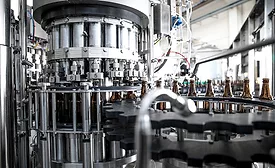
In the fast-paced beverage market, safety, accuracy, flexibility and sustainability are of utmost importance. For industries such as food and beverage where manufacturing processes must be contamination-free, as well as quick and accurate, increasing demand for products filled by automatic filling machines rather than by humans is projected to grow the automatic filling machine market.
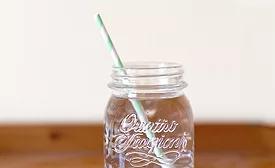
Straws have had quite a moment in the spotlight recently. Many of us have stumbled across an article (or two) mentioning restaurants that no longer provide plastic straws. There has even been coverage of various states that have banned them. This newfound approach to sustainability is paving the way for the new accessory of the year – reusable straws.
These days, consumers want customized product experiences and speed that also support a sustainable approach when it comes to the brands they purchase. Thus far, commerce has been keeping up, with goods hightailing it across the country at speeds and in volumes unimaginable in decades prior.
Contract packing allows small, medium and large brands to outsource the packaging of their products, which is particularly important in light of the shifting beverage landscape.
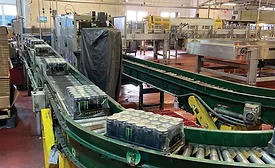
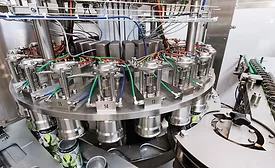
Whether it’s carbonated soft drinks (CSDs), craft beer or wine, convenient, sustainable options like aluminum cans, are providing can filling and seaming manufacturers a path for innovation.
A number of macro trends are empowering beverage innovation and contract packagers/contract manufacturers are helping to fill an important need state, experts say.
With the increasingly varying package shapes and sizes, it’s becoming more challenging to pack out a truck to its capacity, maintain stability, and remove products at multiple locations.
Trends come and go, a fact that many beverage manufacturers know all too well. Determining which trends will stick can be difficult — especially when it comes to trends within operations. Historically, ink jet coding technology has been the top solution in coding, however, the beverage industry increasingly is embracing laser technology, recognizing that the technology is more than a passing trend, experts say.