Dana Spicer S140 axles are designed to serve a wide range of applications and feature a broad ratio coverage, allowing maximum performance across a variety of vocations.
Although Tom’s work will not be part of Beverage Industry’s publication anymore, his legacy will be remembered by the staff and readers as a man who truly was passionate about his work.
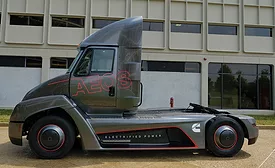
The company debuted its latest near-zero natural gas engine technology, super-efficient diesel engines and shared its plans to introduce what it says will be a “revolutionary” heavy-duty diesel engine in 2022.
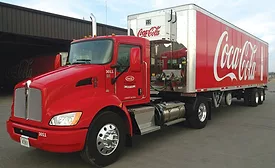
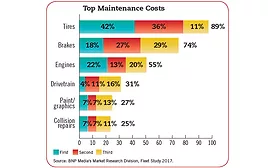
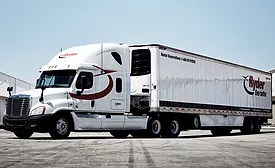
Beverage Industry conducted its fifth annual fleet survey earlier this year to get the latest data on the size and makeup of current delivery fleets, as well as operational concerns and strategies. As with years past, the survey offers the publication an opportunity to see which operations are having the greatest impact on beverage fleets.
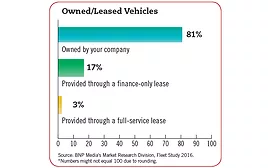
With a few notable exceptions, full-service leasing continues to be much more popular among the very large fleets than it is among the smaller fleets of Beverage Industry readers.
Tetra Pak teams up with Microsoft on new digital innovations
In partnership with Steel King, Wisconsin Lift Truck developed a new hand cart that enables the transport of products to retail stores, while also doubling as a display to minimize heavy lifting and ensure the easy, safe transportation of bottles, cans and cases to the retail floor, the company says. Construction involved directly bolting a steel 48-inch-square five-shelve wire rack unit to a pallet.
It’s often said that change is the only absolute certainty in business. The difference between thriving, surviving or not, comes down to how one responds when those changes arrive, often at the least opportune moment.
Beverage Industry conducted its annual fleet survey to get the latest data on the size and makeup of current delivery fleets as well as operational concerns and strategies. Continuing trends in this year’s results include the popularity of small vans, as well as the continuing split in favor of end-load trucks and trailers versus traditional side-load equipment.