Beverage-makers turn to carton, pouches for flexibility
Product safety among key benefits in packaging
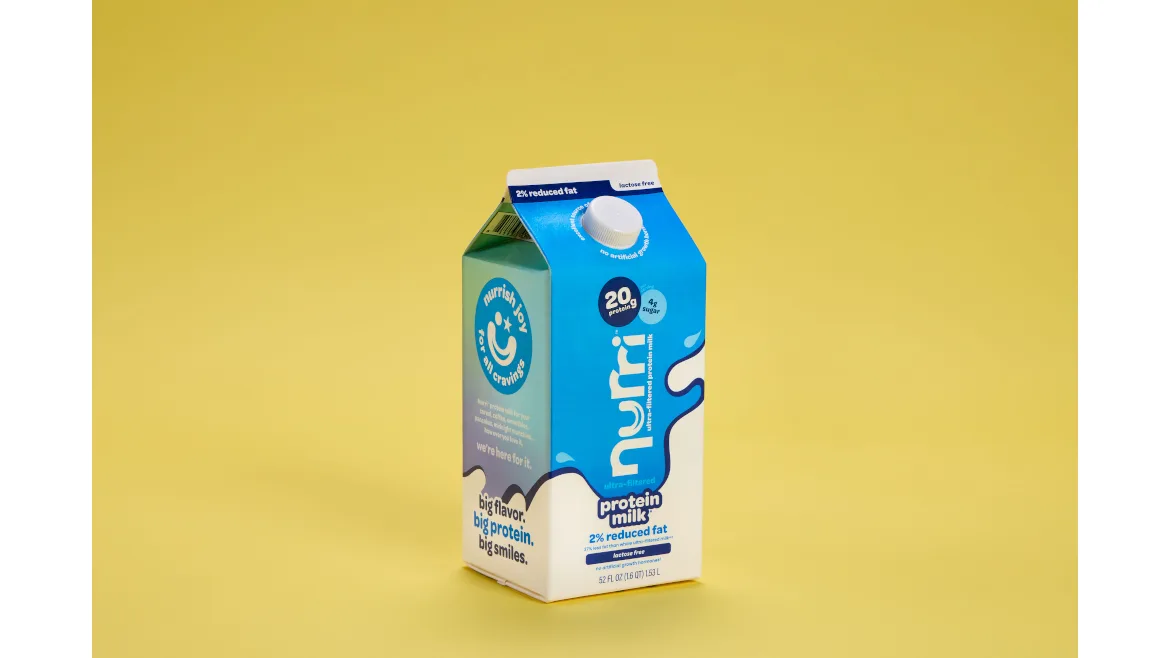
As demand for less plastic in beverage packaging keeps building, more categories are turning to cartons and pouches for these formats’ flexible and sustainable attributes. Alongside these attributes, experts highlight the plethora of benefits that carton and pouches have to offer.
“Product protection and food safety come first,” says Daniella Kohler, global key account manager at Stora Enso, Atlanta. “A liquid carton has to keep the product sealed, uncontaminated and stable from filling line to refrigerator, and high-quality liquid packaging board is engineered for exactly that.
“Protection is also a sustainability argument in its own right: a package that prevents spoilage prevents food loss, and the resources that went into producing the beverage are not wasted,” she continues. “Beyond that, the format is built on renewable materials with a lower carbon footprint than non-renewable alternatives, and it reduces the overall plastic in the package.
Kohler adds that Stora Enso boards cover chilled products such as juice and milk, and with the right barrier they also handle ambient products that need a long shelf life, comparable to what brands get from plastic today.
Robert Hepburn, vice president of sales at TricorBraun Flex, Woodinville, Wash. notes that pouches can provide several benefits, including portability, reclosure, efficient product dispensing and strong shelf presence.
“They can be designed around the way consumers actually use a product, whether it is poured, squeezed, consumed on the go or resealed for later,” he explains. “Flexible formats can also provide branding opportunities across a large printable surface and may offer transportation and storage efficiencies because unfilled packaging is lightweight and compact.”
Yet, suppliers note that using these packaging formats is not without its challenges.
“Historically, the North American market has preferred SBS,” Stora Enso’s Kohler explains. “Our liquid packaging board uses CTMP in the middle layers, which delivers yield efficiency and lower cost by using less fiber while holding the stiffness the application requires. The challenge is conveying that clearly to converters and brand owners who are accustomed to evaluating board a different way.”
For pouches, TricorBraun’s Hepburn points out that often, a pouch must be “reverse engineered" based on the production environment in which it is being filled.
“Brands often rely on third-party co-packers and fulfillment houses for production,” he says. “The earlier a packaging supplier has visibility into that environment, the better positioned it is to develop a solution that performs as intended.”
Another challenge is ensuring that the pouch structure, fitment and filling process all work together for the specific product and application, Hepburn explains.
“Beverage products can have very different requirements related to barrier protection, processing, acidity, viscosity, shelf life and dispensing,” he says. “Sustainability goals can add another layer of complexity because incorporating PCR or developing a recycle-ready structure cannot come at the expense of product protection and package performance.
“Suppliers are addressing these challenges through application testing, material development, technical guidance and close collaboration among the brand, packaging supplier, and filling partner,” Hepburn concludes.
Looking for a reprint of this article?
From high-res PDFs to custom plaques, order your copy today!