Rise of cold foam systems prompts hydrocolloid support
Stability under acidic conditions impact ingredient’s usage
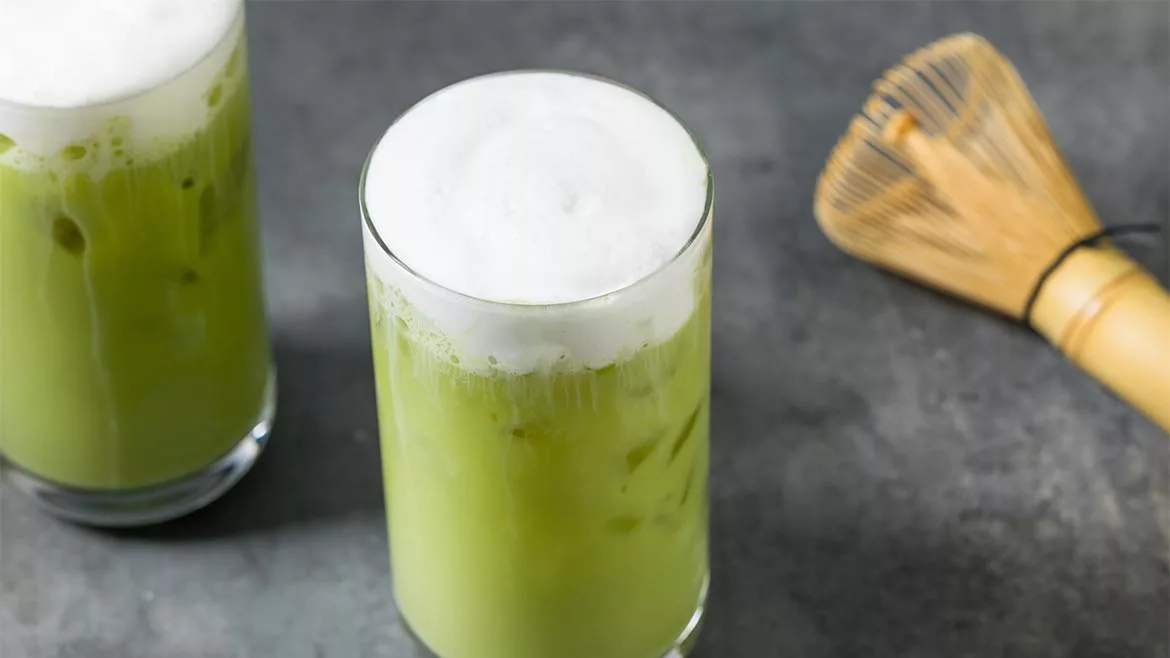
Sometimes, the focus on hydrocolloids is not in using them in a beverage but on a beverage. The popularity of cold foams on coffee, tea, and similar beverages both hot and cold continues to grow at a rapid pace. Cold foam is projected to grow 256% on menus through 2028 and is quickly becoming a menu expectation, with 91% of consumers familiar with it expecting to see it at coffee shops or bakery cafés, according to research group Datassential’s “Cold Foam Report, 2025.”
“Cold foams are ultimately beverage modification products. Meaning, this category represents a fluid foam that is stable enough to float on top of a hot or cold beverage, yet intentionally unstable enough for the fluid phase to gradually drain or cascade into the beverage below,” says Yvette Pascua, R&D director for Rubix Foods LLC. “Some foams are highly fluid, like cold foams, while others are much stiffer and more stable, like whipped cream. Certain systems are designed to remain fully intact on top of a beverage, while others intentionally cascade creamy fluid into the drink below as part of the sensory experience. Foam systems can be designed for a wide range of end applications, each with different performance and texture expectations.”
Pascua explains that designing a foam for specific performance and texture generally requires four main areas of focus: Initial bubble size, maintaining bubble size over time (i.e., foam stability), consistency and viscosity of the continuous fluid phase, and potential interactions between the fluid phase and the beverage itself.
When developing cold foams for high-heat or high-acid applications, there are two critical considerations Pascua points to: “First is the stabilization system itself, specifically, how the foam structure supports and protects the air bubbles to maintain texture and visual integrity,” she says. “Second is the sensitivity of the liquid phase to the beverage environment, particularly shifts in pH. Acidic or high-temperature conditions can destabilize proteins, emulsions or hydrocolloid systems, ultimately impacting foam performance, texture and flavor delivery.”
Ultimately, according to Pascua, the most common formulation challenges come down to “balancing bubble stability with controlled cascading.” Pascua continues, “The foam has to hold long enough to deliver visual appeal and texture, while still allowing the beverage modification experience consumers expect as the foam gradually cascades into the drink. For example, foams stabilized through partial fat coalescence at the air interface or via a Pickering stabilization mechanism — similar to traditional whipped toppings — can quickly lose stability in high-heat environments.”
As Pascua explains, “In those applications, formulators often need to rely more heavily on protein-stabilized foam systems to maintain structure and performance. On the flip side, the fluid that cascades into the beverage would need to remain stable under acidic conditions, making hydrocolloid selection especially important.”
To control for this, Pascua notes that, “Choosing systems with lower acid sensitivity helps preserve viscosity, texture and overall beverage compatibility. Formulators also need to consider how to maintain bubble integrity over time, minimize bubble coalescence and ultimately delay foam collapse. That’s where hydrocolloids play a critical role.”
Looking for a reprint of this article?
From high-res PDFs to custom plaques, order your copy today!