2026 Beer Market Report: Moderation trends keep non-alcohol growing
February 27, 2026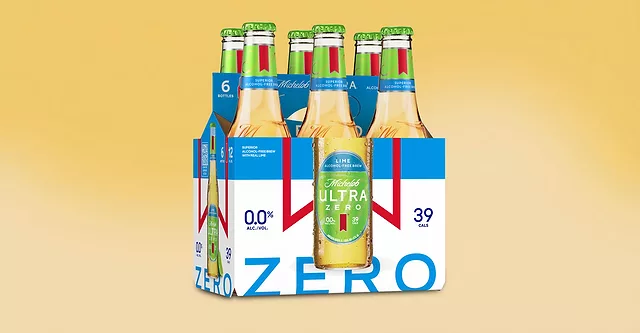
2026 Beer Market Report: Moderation trends keep non-alcohol growing
February 27, 2026
When it comes to the U.S. beer market, non-alcohol offerings continue to grab the headlines as the segment continues to experience double-digit growth. This comes as non-alcohol beer sales were nearly $583.4 million for the 52 weeks, ending Dec. 28. 2025, in total U.S. multi-outlets, grocery, drug, mass merchandisers, convenience, military, and select club and dollar retailers, according to Chicago-based Circana data. This represents a 22.1% increase in dollar sales, while case sales were up 23.9%.
Consumers’ interest in moderation as well as having more choices are helping non-alcohol beers remain in the spotlight.
“The wellness movement continues to gain traction with today’s consumers and influence alcohol consumption moderation,” says Christal Torres, senior manager II of client insights at Circana. “Other trends driving the non-alcoholic beer market include product taste and format innovation.”
Brian Sudano, CEO at S&D Insights LLC, Norwalk, Conn., echoes these points while also pointing to increased accessibility.
“The key trends driving performance will remain reduction in beverage alcohol consumption, greater availability through distribution gains, and more appealing taste profiles closer to real beer flavor experience,” Sudano says.
Kaleigh Theriault, beverage alcohol thought leader at NielsenIQ (NIQ), Chicago, explains that moderation influences for non-alcohol consumption are based on consumers’ sober-curiosity, which is fueled by occasions over alcohol abstinence.
“What we find in our data is that the majority of non-alc beer buyers, like beer, wine, and spirits buyers, are still buying alcohol containing products,” she says. “Those consumers are sneaking in an occasion where they’re not consuming alcohol. It could be that midweek occasion. It could be that they’re the designated driver, or it could be that they're just not wanting to drink, but they like the flavor of beer.”
Theriault adds that health and wellness trends that align with Dry January do showcase an uptick in non-alcohol sales, segment’s performance mimics much of the traditional beer market with upticks around July 4th, Memorial Day, Labor Day, and year-end holidays.
Looking for a reprint of this article?
From high-res PDFs to custom plaques, order your copy today!
In the 2025 “Beer – US” report from Chicago-based Mintel, Julia Mills, food and drink analyst, highlights the opportunities for non-alcohol beer when framed as supporting drink choice.
“Non-alcoholic beer remains a strong opportunity, as consumers seek ways to personalize their drinking experience,” Mills writes. “The role of alcohol is shifting, and while it still plays a part in lifestyles, drinkers, especially younger ones, value having options. When it comes to innovation and marketing, brands should focus on celebrating choice, not just promoting health. Whether someone drinks occasionally or not at all, highlighting flavor, fun, and inclusivity can resonate more deeply than wellness messaging alone.”
This bodes well for the overall beer market as some analysts note that non-alcohol beer’s biggest competition isn’t beer, but non-alcohol alternatives from wine and spirits manufacturers.
“The greatest competition to non-alcoholic beer are non-alcoholic wine and spirits,” Circana’s Torres says. “Non-alcoholic beer has gained the most traction so far, but with more innovation, the rest of the segment is poised to continue to grow as consumers continue to look for premium and ‘better-for-you’ alternatives to alcohol.”
S&D Insights’ Sudano does, however, note that non-alcohol beer is taking share from the traditional market.
“Non-alcoholic beer will compete with regular beer as it continues to source volume from traditional beer at the moment,” he says. “Longer term non-alcoholic beer will have to transition to compete more in the NA beverage world (think carbonated soft drinks) to hit the scale that some are projecting (up to 10% of beer). As time goes on and more appealing alternatives in the mocktail space (NA cocktails) emerge, then it will compete more actively against these products.”
NIQ’s Theriault also notes that some non-alcohol beer is coming as an alternative to traditional beer and even wine and spirits, but notes that the gray area of the functional beverage space could serve as a competitor to non-alcohol beer.
“If somebody's choosing not to drink alcohol, there's quite a bit that they have as an option to choose from,” she says.
Among those that Theriault highlights include premium water, or products that support relaxation through functional ingredients like l-theanine, nootropics, lion's mane and reishi mushrooms.
Despite these forms of competition, analysts note that non-alcohol beer has helped the beer category stave off attrition.
“Since we know that non-alcoholic beer buyers tend to also buy alcoholic beer, wine, and spirits, the non-alcoholic beer segment acts to prevent the loss of consumers by meeting new beer occasions,” Circana’s Torres says.
S&D Insights’ Sudano notes that this has served as an avenue to not just prevent loss of consumers, but can bring in new ones.
“Some consumers will find NA beers as a great alternative to regular beer,” he says. “Especially those looking for a beer experience and prefer no alcohol. In some cases, drinkers that don’t like the taste of alcohol will graduate to more accepting of alcohol flavor profile and therefore move to traditional beer.”
NIQ’s Theriault also notes how non-alcohol is serving the beer market in dual capacity.
“It's really two-fold,” she says. “I think that there are some that might not choose beer for an occasion. … I would think about it more from an occasion standpoint. We’re not losing, despite all the conversations around people not drinking and things like that; we’re not seeing like a mass exodus of consumers from the beer drinking world.
“But I think that there are certain occasions where non-alcohol beer is keeping that that drinker really close to a brand or even to the beer category,” Theriault says. “And then I do think that there are some consumers that might not be beer drinkers that have tried out non-alcohol beer and they do like it.”
“Some consumers will find NA beers as a great alternative to regular beer. Especially those looking for a beer experience and prefer no alcohol. In some cases, drinkers that don’t like the taste of alcohol will graduate to more accepting of alcohol flavor profile and therefore move to traditional beer.”
These factors are all contributing to high expectations for non-alcohol beer in the year to come.
“It's still going to be one of the strongest growth drivers by far,” Theriault says. “Double-digit growth, I would still expect to see from this category. Over the past few years, it's been you know, 35%, 30-25%, 20%. We slowly see it stepping down as the category expands in size, obviously on a larger base, [because] it’s harder to maintain those big growth numbers, but I still foresee it growing double digits easily with even just more of a spotlight on it.”
This comes as non-alcohol beer also is seeing its on-premise presence increase, with Theriault highlighting some bars and restaurants even offering multiple options.
S&D Insights’ Sudano also is prognosticating double-digit growth for non-alcohol beer, but raises some concerns about the deceleration.
“At roughly 1.3% of total beer and with the entry of many major beer brands into the NA space, distribution will continue to expand, and awareness levels grow,” he says. “This positions the space to grow in 2026 at double digits again. A concern is that despite all the attention and expanding spend and distribution in 2025, the category only grew 20%.
“This leads to a couple questions: a) is the category losing steam; b) is recruitment of new consumers slowing; and c) are we hitting a saturation point,” Sudano continues. “Only time will tell if one or more of the answers to these questions is [this] year.”
Meanwhile, Circana’s Torres points to the exciting innovations that are slated to come from non-alcohol beer this year.
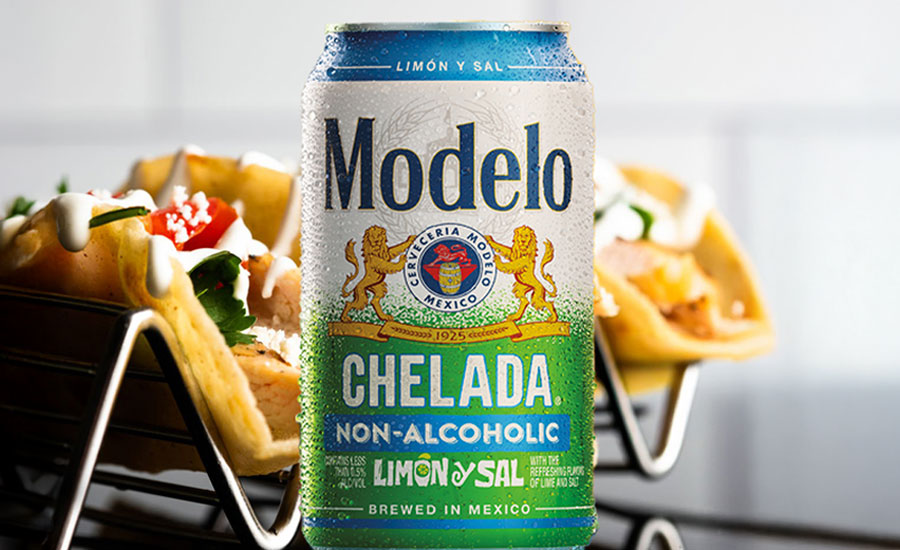
“We expect to see the non-alcoholic beer segment continue to evolve in the new year, especially with exciting innovation in Q1 2026 such as Athletic’s Moscow Mule and Paloma, Modelo Chelada Limón y Sal Non-Alcoholic, and Michelob Ultra Zero Lime,” she says.
Return to 2026 Beer Market Index