Beverage brands explore aluminum packaging as alternative to traditional options
Aluminum packaging attractive for its sustainability, convenience factors
As consumers increasingly prioritize sustainability, it is no surprise that aluminum packaging has become more attractive to companies, especially those within the beverage industry.
Nick Osborne, vice president of sales and marketing at Crown Holdings, Tampa, Fla., highlights the strong demand for aluminum packaging within the beverage industry.
“Aluminum cans, with their convenient shape and recyclability, are the preferred packaging materials for consumers of all lifestyles, backgrounds and interests,” Osborne says. “Seventy-five percent of all new beverage launched across North America are now packaged in aluminum cans, more than double the rate of five years ago, constituting a strong increase in demand.”
He notes that prominent beverage brands around the globe are building new facilities to grow their can-filling capacity, driven by a rise in eCommerce and direct-to-consumer (DTC) retail.
“Aluminum cans meet customer needs in a way that no other packaging format can and are vital to the consumer experience,” Osborne adds. “In addition to being easy to grab on the go and keeping beverages cooler, aluminum cans block out the damaging effects of light, better preserving a drink’s carbonation and flavor. Metal packaging is also more lightweight, portable and durable than other available materials.”
Aluminum cans are infinitely recyclable, he notes, appealing to consumers’ “steadfast commitment to sustainability.”
Paige Sopcic, president of Longmont Colo.-based CanSource, a TricorBraun company, shares that aluminum demand continues to grow and is driven by both sides of the market.
“Consumers want convenient, right-sized packaging — and are increasingly prioritizing sustainable options — while beverage brands need packaging that is both eco-friendly and eye-catching on the shelf,” Sopcic says. “Even as the beverage industry evolves, aluminum’s growth has remained steady.”
Experts note that a variety of beverage trends are contributing to this demand.
Samantha Juna, insights and enablement director at TricorBraun, St. Louis, states that traditional non-alcoholic categories like tea, juice and sparkling drinks are evolving into more sophisticated, experience-driven options.
“Consumers want healthier choices that still deliver elevated flavor, mouthfeel and packaging,” she says. “ … Consumers are also increasingly drawn to functional beverages that support vitality, longevity and overall quality of life. Think protein, collagen, nootropics and ocean minerals.”
Beverages, and cans in particular, serve as an ideal entry point for experimentation, Juna explains, offering a low-commitment, approachable way for consumers to try new ingredients and benefits.”
Crown Holding’s Osborne echoes similar sentiments, noting a shift in consumer preferences, especially as more Americans make the switch from alcoholic beverages to non-alcoholic alternatives. He says that both legacy and emerging beer brands, such as Athletic Brewing, are leaning into the non-alcohol beer segment.
He also has observed a boom in functional beverages and ready-to-drink (RTD) cocktails.
Expanding the market
The market for aluminum beverage packaging has extended beyond traditional can formats to include cups and wine bottles. Experts note the opportunities these formats and other segments will allow aluminum packaging usage to expand.
“We see a strong growth opportunity for aluminum cups in event settings such as sports arenas and concert venues, where they can replace plastic cups with a more sustainable alternative,” CanSource’s Sopcic says. “Breweries are also showing interest in branded aluminum cups for on-premises use, particularly as a sustainable alternative to traditional options.”
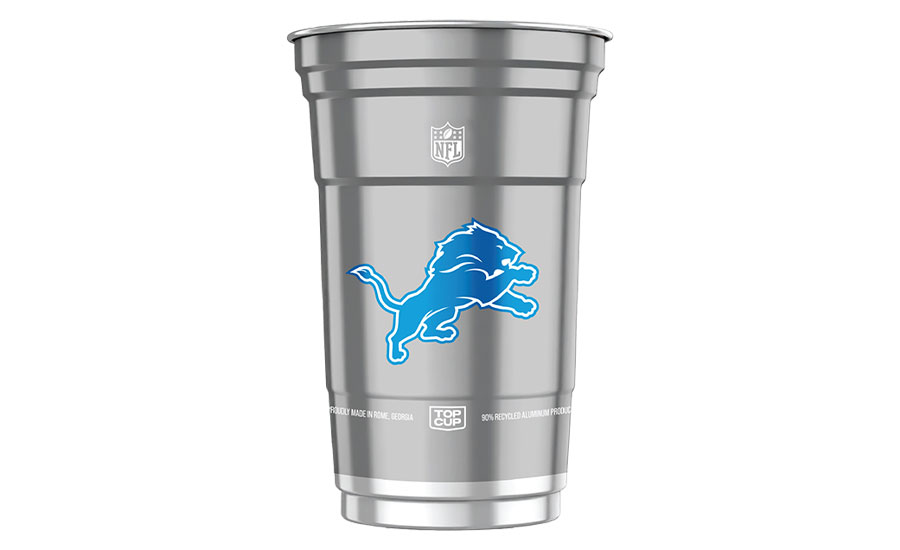
Earlier this year, reusable aluminum cup brand Top Cup launched an NFL-licensed collection. The collaboration featured collectable team-branded cups “designed to replace single-use plastic at tailgates, watch parties and stadium moments nationwide.” The cups are made from 90% recycled aluminum and are fully recyclable with existing systems, the brand says.
CanSource’s Sopcic adds that aluminum bottles are gaining traction across a wide range of occasions and beverage categories, too.
“Their resealable design makes them ideal for water, kombucha and sports drinks, offering convenience and portability,” Sopcic states. “Next time you’re in a travel-oriented setting, such as an airport, you’ll see that they are now a standard choice for consumers. They are also increasingly used for wine and sparkling wine, as they are well-suited for on-the-go occasions like picnics and outdoor activities, without the risk of breakage associated with glass.”
Crown Holdings’ Osborne shares that brands traditionally packaged in glass or PET bottles are increasingly exploring aluminum as an alternative for their beverages.
“For example, plenty of wine brands are moving from glass packaging into aluminum cans, preserving the flavor of the beverage while offering the consumers a format that is more recyclable and that upholds the integrity of the brand through state-of-the-art packaging design,” he says. “As brands look for lighter, more sustainable and more durable alternatives to their traditional packaging, more beverages will be making the switch to aluminum cans.”
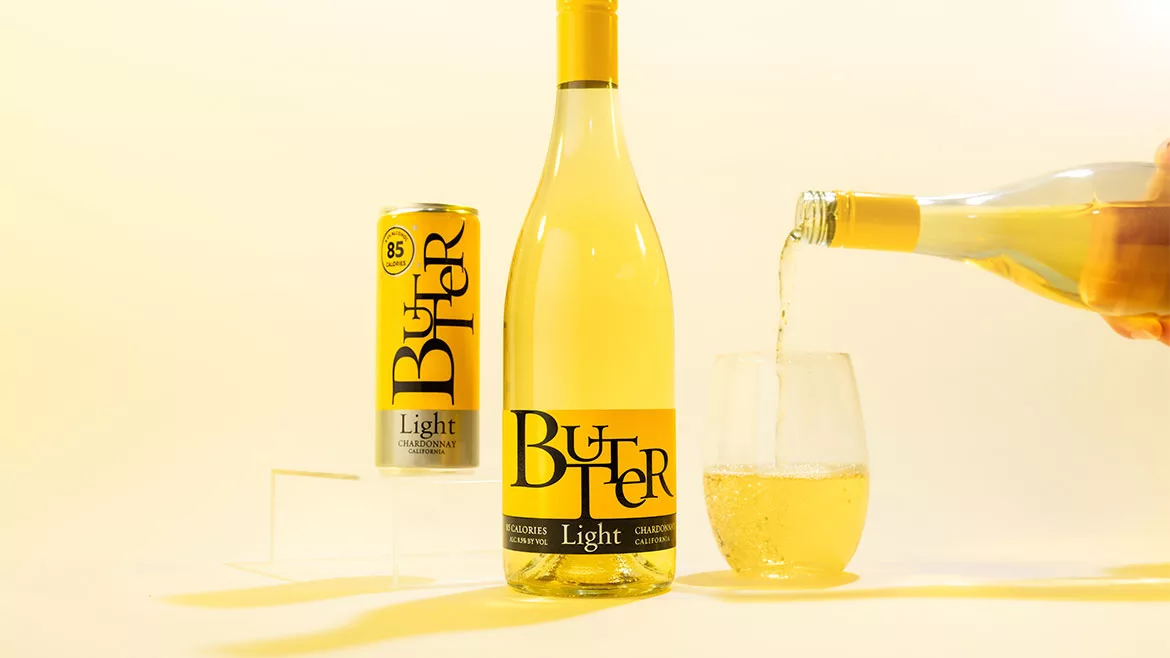
JaM Cellars, the makers of Buttery Chardonnay, recently expanded the ButterLight portfolio with the launch of 250-ml cans, which the brand says is a response to “growing consumer demand for lower-alcohol wines … while offering an easy, on-the-go option for fans of the brand.”
Crown Holdings’ Osborne also shares which beverage categories are increasing their aluminum packaging use.
“Across the beverage industry, brands are turning to aluminum packaging to ensure their consumers have access to high-quality beverages that lock in flavor, are easily portable and can be chilled quickly,” he says.
Specifically, Osborne notes aluminum cans’ popularity within the craft beer segment.
“Cans now account for 76% of all craft beer packaging, up 3.2 percentage points of overall container share, according to the Brewers’ Association’s 2024 annual report,” he says. “Cans shut out oxygen and light, which helps to preserve carbonation and flavor — two aspects of craft beer that are important for serving the best quality to consumers. Craft brewers also often maintain a strong brand identity for each of their products, which fully custom-designed cans help preserve.”
Meanwhile, CanSource’s Sopcic says traditional non-alcohol beverages like RTD tea, coffee, protein milks, kombucha, juice and sports drinks, as well as CBD and THC beverages, have all increased their use of aluminum packaging.
“For example, United Center in Chicago recently announced it will offer hemp-derived THC beverages at concerts and events, becoming the first major arena in the country to do so,” she shares. “Bottled water has also made a noticeable shift into aluminum, with significant room to expand its share compared to plastic.”
In the spirits industry, Sopcic says aluminum is being used increasingly for canned RTD cocktails, which are finding placement in previously underserved venues such as sports arenas, convenience stores and hotel lobbies.
“These cans offer a right-sized, convenient format for many drinking occasions, further driving adoption across the category,” she adds.
Beyond consumer trends, potential supply chain constraints can influence the aluminum packaging market.
Sopcic says that, during the COVID-19 pandemic, the surge in packaging demand put a strain on the aluminum can supply chain, which resulted in long lead times and occasional shortages.
“Since then, aluminum can manufacturers have invested in their networks, and as a result, have operated without supply chain constraints for several years,” she shares. “CanSource, a TricorBraun company, works closely with brands to forecast demand throughout the year, helping ensure reliable supply to support their growth.”
Crown Holdings’ Osborne notes that the company has robust manufacturing and distribution networks, with nearly 200 facilities in 39 countries, and is well-equipped to handle issues in the supply chain process.
“With strategic investments across the world, the organization is well-positioned to support the market in any capacity,” he adds.
He shares the impact that sustainability and recyclability goals have had on the market, noting the influence has been “an overall positive” one.
“With aluminum cans being 100%, infinitely recyclable, sustainability-conscious brands are choosing cans over plastic or glass for their circularity benefits,” Osborne says. “Consumers are also looking for ways to be more sustainable and are more likely to drink out of an aluminum can for that reason.”
Crown has sustainability goals of its own that set a high standard for the industry, he notes, with its Twentyby30 program detailing the company’s commitment to reduce the impact of climate change, use natural resources efficiently, support circularity, enact social change and enhance product performance.
“As of 2025, Crown has reduced its global average standard can weight by 6.44%, surpassing 60% of its goal to achieve a 10% reduction by 2030,” Osborne says. “Crown has also already exceeded its Scope 3 greenhouse gas emissions reduction goal and has surpassed its 2025 target for ethical sourcing with over 75% of its core raw materials and service suppliers assessed for compliance with its Responsible and Ethical Sourcing policy.”
CanSource’s Sopcic states that sustainability is no longer optional in the beverage packaging market, rather it is non-negotiable.
“Legislation, retailers and consumers are driving demand for sustainable, circular packaging solutions — an area where aluminum is well-suited,” she says. “It has one of the highest recycling rates globally, is infinitely recyclable, lightweight and provides superior barrier protection against light, oxygen and moisture.”
One of the most notable developments in recent years, according to Sopcic, is the rise of digitally printed cans, which give both emerging and established brands access to a fully sustainable package with low minimum order quantities, faster lead times and strong shelf appeal.
“For example, CanSource’s recent acquisition of Craft Beverage Warehouse, which operates four Hinterkopf digital printers, underscores our confidence in the long-term growth of this trend and in aluminum’s role as a sustainable, versatile packaging option,” Sopcic says.
With sustainability goals prompting beverage brands to embrace alternative solutions, aluminum packaging is primed to make its case as the answer they’re looking for.
Looking for a reprint of this article?
From high-res PDFs to custom plaques, order your copy today!