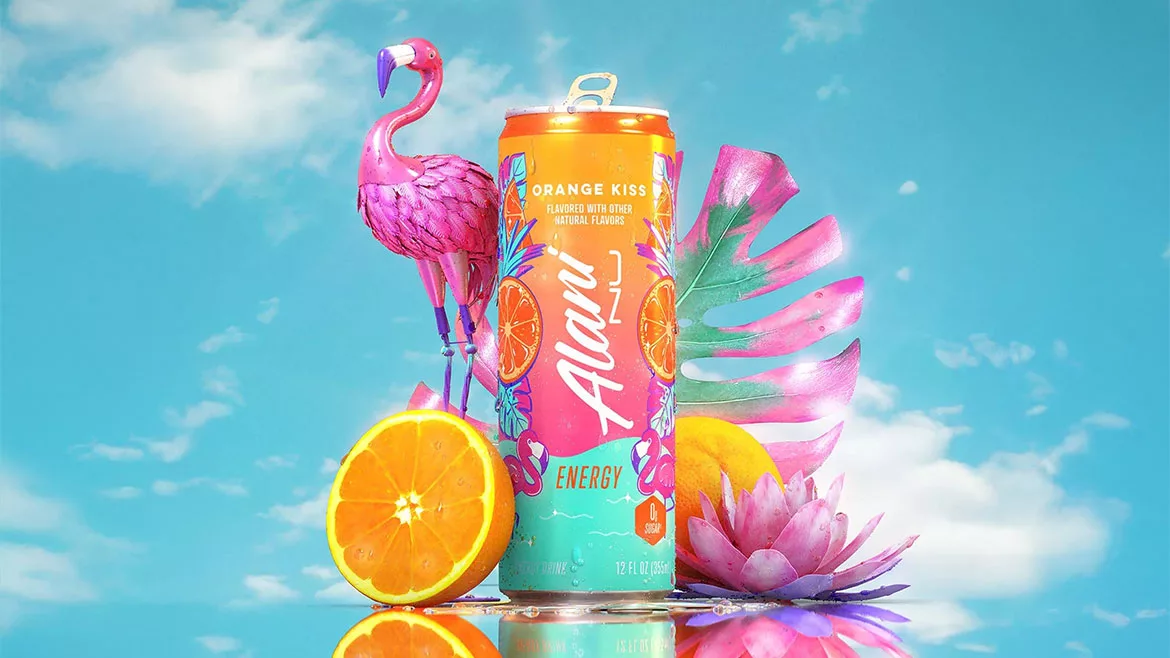
Classic flavors serve as flavor ‘anchor’ for new beverage formulations
Classic flavors in beverages embody consumers’ nostalgia, familiarity
In her 2014 hit “Style,” Taylor Swift sings about a love that is classic. “’Cause you got that James Dean daydream look in your eye / And I got that red lip classic thing that you like / And when we go crashing down, we come back every time / ‘Cause we never go out of style,” Swift sings in the chorus.
Similarly, experts note that the classic flavors of chocolate, vanilla and strawberry seemingly “never go out of style” within the beverage industry.
Philip Caputo, marketing and consumer insights manager at Virginia Dare, Carteret, N.J., describes that classic flavors “have never really gone out of style” within beverage formulations.
“Even as younger consumers chase bold or unusual flavors, these classics keep showing up at the top of the list,” he says. “There’s something about them that feels familiar and comforting, but they can also be a canvas for new ideas, letting brands mix a little adventure into something people already know and love.”
Heather Young, account manager at Greensboro, N.C.-based Mother Murphy’s Flavors, considers chocolate, vanilla and strawberry to be foundational flavors in beverage applications that appeal to most, if not all, consumers due to their nostalgic associations and overall familiarity.
“This broad appeal assists developers when dealing with beverage formulation challenges such as reduced sugar, nutraceutical enhancements or plant-based protein,” Young says.
Cat Riechers, marketing associate at Allen Flavors, South Plainfield, N.J., shares similar sentiments about how classic flavors evoke a sense of nostalgia in consumers, creating an emotional connection.
“Also, these flavors have mass appeal and are generally well-liked by a broad range of consumers,” Riechers says. “This makes them appeal to beverage-makers aiming for widespread acceptance and market penetration.”
Classic flavors have made waves in categories such as flavored milks, spirits, protein shakes and carbonated soft drinks (CSDs), she adds.
Jillian Hermanowicz, vice president of corporate marketing and communications at Vibrant Ingredients, Lake Mary, Fla., says the way that classic flavors are being expressed is different today, especially as consumers lean into comfort and familiarity with their beverage choices.
“Consumers seek cleaner, more premium and often with a sense of origin or craft [beverages],” she says. “Vanilla becomes Madagascar Vanilla Cold Brew; chocolate becomes cacao- or mocha-forward; strawberry trends toward ‘fresh-picked’ or ‘real fruit.’ These flavors deliver instant recognition and emotion connection while still giving brands enough versatility to innovate, making them foundational across today’s beverage landscape.”
Connecting with consumers
The flavors of chocolate, vanilla and strawberry offer beverage-makers an opportunity to connect with consumers, especially thanks to their familiarity and nostalgic ties.
Virginia Dare’s Caputo states that these flavors act as a bridge to the consumer.
“People recognize them instantly and they carry a sense of comfort, nostalgia, even a little indulgence depending on the formulation,” he says. “For beverage-makers, that recognition makes it easier to introduce something new alongside the familiar. A twist on vanilla or a hint of strawberry in a functional drink can make it feel approachable while still novel and exciting.”
Classic flavors give the consumers a safe space of trial and experimentation, Caputo adds.
Mother Murphy’s Young shares that utilizing classic flavors helps connect a beverage to consumers on a basic level, because classic flavor profiles are widely known, accepted and preferred.
“Adding a trending flavor with a classic flavor encourages trial,” she says. “These flavors also evoke a sense of trust and nostalgia as these flavors offer a tie back to childhood celebrations and family gatherings.”
Allen Flavors’ Riechers describes that achieving the right balance between reducing sugar and maintaining the desired taste profile is necessary for optimal taste perception.
“Beverage-makers are experimenting with alternative sweetening agents, such as natural sweeteners (stevia, monk fruit), sugar alcohols or innovative taste-modifying ingredients to mimic sweetness without using as much sugar,” she states. “Vanilla’s taste profile can help smooth out some of the off-notes associated with natural sweeteners. Chocolate flavor pairs well with these natural sweeteners due to the natural bitterness perceived in chocolate.”
Vibrant Ingredients’ Hermanowicz says classic flavors offer brands the chance to tap into nostalgia while reimagining the flavors for modern preferences, particularly around clean label and functionality.
“When paired with natural, functional ingredients, they help brands meet consumers’ evolving definition of wellness that include balance, energy and delight without compromise,” she explains.
Classic flavors provide a trusted anchor that make consumers more willing to explore new formats and emerging health and wellness ingredients such as l-theanine, Hermanowicz adds.
Evan Unger, marketing and consumer insights manager at Symrise NA, Teterboro, N.J., says the company refers to the resurgence of classic flavors as “new-stalgia.”
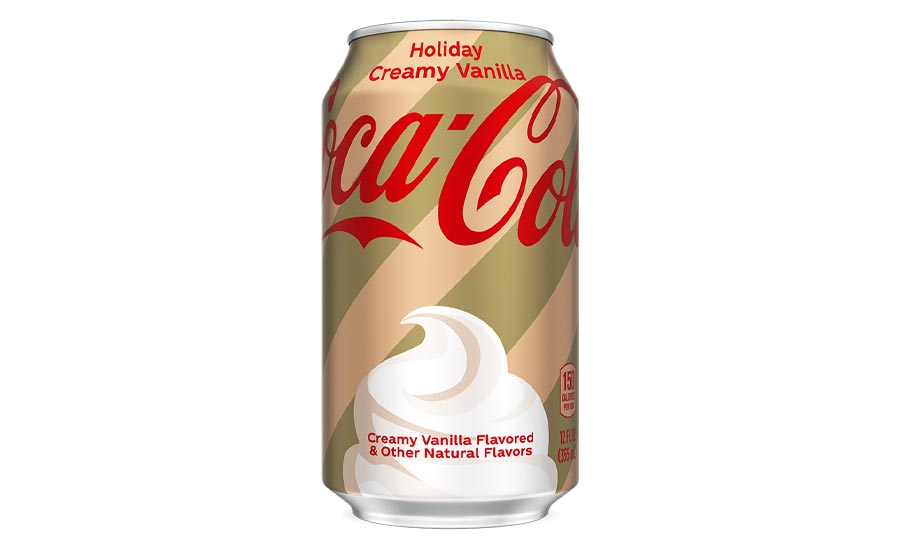
“We’ve seen major soda brands embrace this through prebiotic-enhanced formulas and reduced-sugar or lower calorie updates to nostalgic crema-based combinations like cola vanilla, black cherry vanilla or strawberry cream,” Unger notes. “Orange creamsicle profiles — essentially orange and vanilla — remain particularly resonant because they evoke joyful, less stressful moments for consumers.”
Calling for classics
Certain beverage categories are more likely to use classic flavors than others.
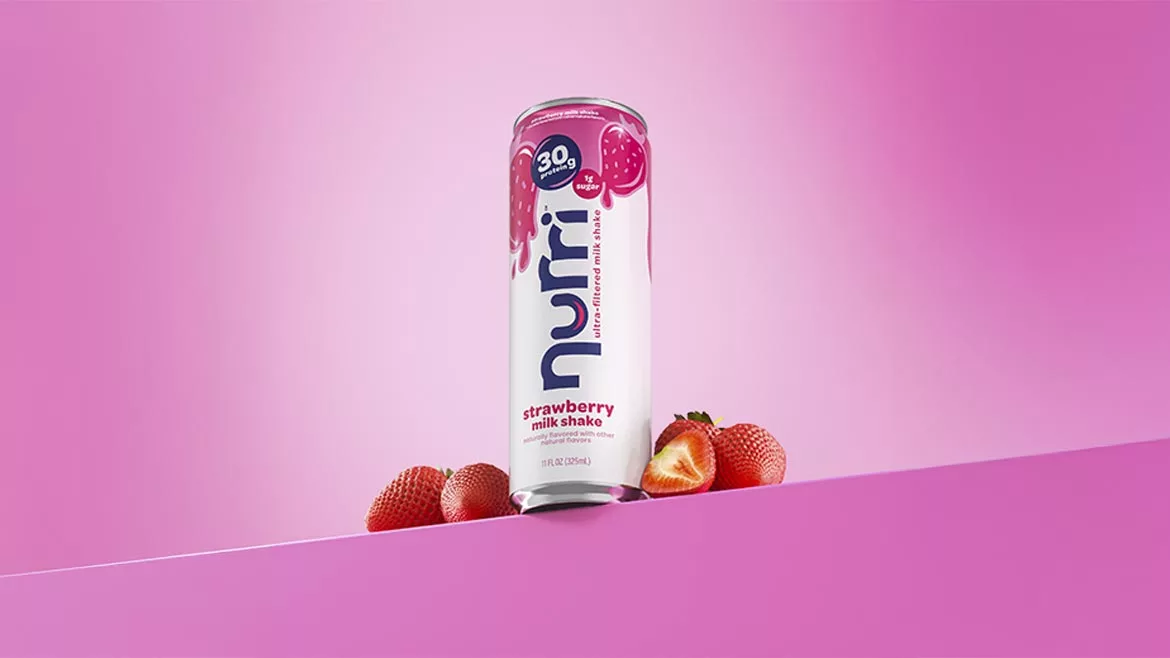
Virginia Dare’s Caputo notes that chocolate, vanilla and strawberry are most often seen in ready-to-drink (RTD) beverages, dairy-based drinks, smoothies and protein shakes.
“The best way to think about why these flavors are so commonly utilized is because they’re the essentials,” he explains. “When you launch a line extension or new product, it makes the most sense to start with something basic and unchallenging for both consumers and formulation, and then build on that foundation with more adventurous flavors.”
Even with established brands and products, Caputo says it is always a good idea to have a standard set of familiar flavors consumers can come back to.
“It’s like having a basic white T-shirt that goes with everything,” he shares. “When you’re in a rush or don’t know what to wear, it’s always going to be there for you.”
Mother Murphy’s Young notes that certain formulations are more likely to use specific classic flavors.
“Strawberry flavors would pair well with enhanced waters, energy drinks, dairy or protein-based beverages for its general appeal and likeability,” she says. “Chocolate flavors work best in coffee and protein-based beverage applications due to its indulgent character and hint of sweetness.”
Young suggests that vanilla flavors would work well across multiple applications such as coffee, tea, protein or dairy-based beverages.
“Vanilla flavors contribute overall likeability along with the ability to add a touch of sweetness and balance to any beverage,” she notes. “Vanilla flavor profiles also work well to reduce off notes associated with plant-based proteins and other nutraceutical enhancements.”
Allen Flavors’ Riechers urges beverage-makers to look at the costs when considering quality of classic flavor ingredients.
“Extracts are more expensive than natural flavors,” she notes. “They also need to look at compatibility with other ingredients. Vanilla smooths out bitterness, chocolate has bitter tones that may work well with applications and strawberry flavor contains sweet and acidic notes that can hide bitter compounds in beverages.”
Riechers also notes that beverage brands should consider compliance with regulations.
Symrise’s Unger says classic flavors have broad cross-category appeal.
“Beyond coffee, soda and RTD cocktails, the dirty soda trend has accelerated over the past five to six years, moving from Utah to national awareness,” he notes. “These drinks combine fountain soda with cream (dairy or plant-based) and flavored syrups. Vanilla and strawberry play major roles here, offering indulgence and familiarity while still allowing operators to layer in new tonalities.”
Classic flavors also are being used in tandem with emerging flavors in beverage formulations.
Virginia Dare’s Caputo states that it is “quite common” to pair classics like chocolate, vanilla and strawberry with newer, unexpected flavors.
“They anchor the experience in something familiar while allowing brands to experiment with ingredients like exotic fruits, spices or even botanical extracts,” he shares. “That combination makes the drink approachable and intriguing at the same time.”
It’s a way to push the envelope without scaring off or alienating the majority of consumers, Caputo explains. Classic flavors make things like yuzu, miso, Sichuan and tamarind much more approachable, he adds.
“Positioning a trending flavor alongside a classic flavor encourages trial and acceptance,” Mother Murphy’s Young says. “This is very common amongst beverage developers who commonly pair strawberry flavors with lesser-known tropical fruit flavors. Vanilla might be seen paired with matcha or an herbal flavor blend.”
She notes that dark chocolate can be paired with a sweet spice flavor blend or a tropical fruit.
Allen Flavors’ Riechers states that pairing classic flavors with new age flavors is on trend.
“Some examples include chocolate paired with mint, caramel or chili,” she shares. “Vanilla is typically paired with lavender, matcha, pumpkin or chai flavors. Furthermore, strawberry pairs well with basil, coconut or exotic fruits.”
Vibrant Ingredients’ Hermanowicz says that the “modernized familiarity” of classic flavors coupled with more exotic flavors helps beverage innovators reduce risk in new product development. Such formulations deliver on excitement without overwhelming the consumer, she notes, making it an effective approach for everyday offerings and limited-edition launches.
Potential problems
Like many industries, supply chain constraints can impact classic flavors.
“Supply chain issues can affect pretty much everything and can strike at a moment’s notice,” Virginia Dare’s Caputo states. “Vanilla, for instance, depends on incredibly delicate crops that can be affected by weather, labor or geopolitical factors, and chocolate can see similar volatility. Even strawberries can be tricky outside of peak season.”
For beverage-makers, Caputo says that means planning ahead and sometimes adjusting formulations or sourcing strategies.
“Consumers aren’t thinking about those supply chain issues, and frankly, most of them don’t care,” he states. “They want familiar flavors at a familiar price point, which can force brands to be more creative and flexible in how they deliver those familiar flavors.”
Mother Murphy’s Young notes that vanilla is affected by supply chain disruptions, because the crop is reliant on only a few growing regions: Indonesia, Madagascar and Uganda.
“Vanilla suppliers mitigate this risk through ethical sourcing, sustainable farming and expanded growing regions in an effort to maintain stable crops and to provide the highest quality beans,” she explains. “As with any natural crop, vanilla is susceptible to weather events, which adds to its ever-present pricing volatility.”
Chocolate has experienced volatility recently as well, with the price of cocoa surging due to crop shortages and climate change, Young adds.
“This pricing surge has created an opportunity for flavor suppliers to provide chocolate flavors that help to boost the overall chocolate profile while mitigating price volatility,” she describes. “Another way around the volatility would be to get creative by adding in other flavor elements such as chocolate mint or chocolate caramel to reduce the reliance on a ‘chocolate only’ profile, thus reducing costs.”
Young says that strawberry is experiencing volatility, too, because of it being a seasonal crop reliant on several factors, such as weather and healthy crop yields.
“Strawberry juice and puree suppliers must find ways to maximize shelf life and reduce spoilage in order to provide a consistent, stable-priced offering,” she says.
Vibrant Ingredients’ Hermanowicz echoes similar sentiments regarding supply chain constraints influencing classic flavor ingredients.
“As a result, CPG [consumer packaged goods] brands and foodservice operators are relying more heavily on partners who can deliver consistent sensory performance despite fluctuations in raw material availability,” she says.
Remaining relevant
Experts share their expectations for future beverage developments with classic flavors.
“Vanilla, chocolate and strawberry aren’t going anywhere,” Virginia Dare’s Caputo says. “What’s changing is how they’re used. They’ve evolved to act as more of a base for experimentation, blended with less traditional ingredients or reimagined in formats like plant-based drinks and functional beverages.”
Caputo anticipates that these flavors will continue to give consumers something familiar to latch onto, while also letting brands stretch creativity in ways that feel natural rather than forced.
Going forward, Mother Murphy’s Young expresses that vanilla, chocolate and strawberry will continue to be a mainstay in our preference for beverage offerings.
“These flavors are quite versatile, dynamic and complex, both in the flavor profiles themselves and how they are deeply established in our lives,” she says. “They remind us of our childhood and are rooted in the very fabric of our society. They evoke memories, of celebrations, family gatherings and provide a sense of comfort and trust.”
Allen Flavors’ Riechers says that beverage developers will continue to experiment with creative pairings involving strawberry, vanilla and chocolate flavors.
“With the continued growth of the plant-based beverage category, we see these flavors becoming more popular in dairy alternatives and seltzers,” she shares. “We also can see an increase in beverages featuring strawberry, vanilla and chocolate flavors made from alternative ingredients like oat milk, almond milk or coconut milk.”
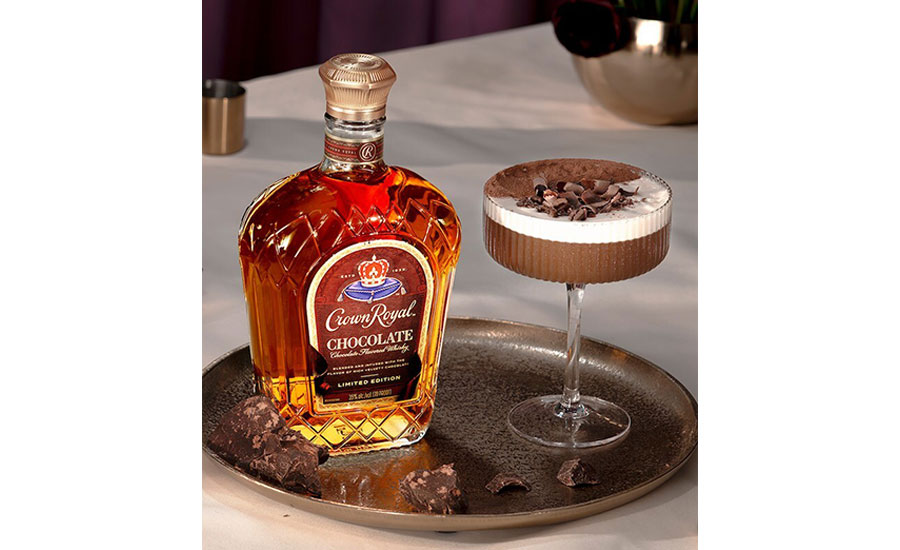
Riechers suspects these flavors will be more involved in the cocktail and liqueur category.
Vibrant Ingredients’ Hermanowicz anticipates that classic flavors will continue to dominate. However, she expects their evolution to center on elevated expression, global influence and functional integration.
“They will remain foundational to beverage innovation, especially as brands develop products that balance indulgence with wellness,” Hermanowicz notes. “Expect more sophisticated twists from crème brûlée-style vanilla and strawberry shortcake profiles to globally inspired chocolate pairings alongside clean label, lower sugar versions that support today’s ‘better-for-you’ indulgence mindset.”
She expects that classic flavors will increasingly serve as the backdrop for functional platforms, whether it’s natural energy, mood support, focus, hydration or protein fortification.
“As consumers prioritize simple ingredients and great taste, these timeless profiles will stay essential for operators and CPG brands seeking to launch quickly and meet rising wellness expectations without added complexity,” Hermanowicz shares. “Seasonal reinvention will keep them feeling fresh, but their enduring appeal ensures they’ll remain at the center of beverage innovation for years to come.”
Symrise’s Unger feels similarly and states that classic flavors will continue to resonate with consumers because they offer a balance of comfort, versatility and emotional connection. They will continue to shape the next wave of beverage innovation as beverage-makers pair them with emerging flavor territories.
“Their role in nostalgia, indulgence and cross-category relevance ensures they’ll remain central to both classic formulations and modern reinterpretations for years to come,” Unger concludes.
Looking for a reprint of this article?
From high-res PDFs to custom plaques, order your copy today!