Articles Tagged with ''supply chain''
Processing technology makes advancements within beverage market
Processing guidelines important for beverage formulators
Read More

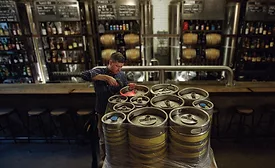
Reusable packaging systems maximize efficiency, traceability
Brands benefits from RFID tracking
Read More
Addressing the planning, development of new beverages
General guidelines can streamline new product process
Read More
Adding value to beverages important part of supply chain
Warehouse handling, promotions don’t contribute to value
Read More

Starbucks to provide 100 million coffee trees by 2025
Commitment expand on Starbucks One Tree for Every Bag
Read More
Has beverage automation reached the Nth degree?
SKU proliferation contributes to growth in automation
Read More
Multipacks increasingly impacting beverage operations
Customized machinery might not solve long-term challenges
Read More

Software solution aids maintenance management for Pepsi bottler
Pepsi Bottling Ventures employs MaintenanceEdge system
Read More
Packaging evolutions can create a domino effect for operations
Supply chain adapt to accommodate refreshed packaging
Read More