Walking through the retail marketplace, observing the myriad beverage packages and visualizing the process that created what now is being observed, the magnitude and complexity of the process becomes evident.
It’s crazy to believe that 2016 is almost at a close. Although there still is much to accomplish before 2017 arrives, the latest trends already are popping up. In the beverage market, much attention usually is given to the finished products because, as many will tell you, taste is king. However, one must not overlook the upcoming trends in packaging attributes.
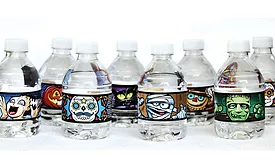
Eight different Halloween-inspired designs available in 24-packs
Nestlé Pure Life released its 2016 limited-edition Share-A-Scare Halloween bottles. The 8-ounce bottles are available in eight different Halloween-inspired designs.
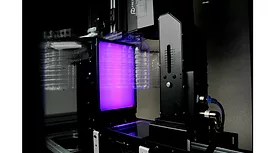
Packaging experts note that advancements in optical technology, software algorithms that are effective at high line speeds and the ability to inspect materials across the bottling process are essential for today’s modern bottling facilities.
When Madonna sang, “You know that we are living in a material world, and I am material girl,” the American singer could not have foreseen that her “Material Girl” song would eventually characterize her in the mainstream media. Although Madonna was not singing about glass, aluminum or plastic, these primary packaging materials, like the 1984 pop hit, have become classics.
When you buy a gift, how it is wrapped matters. It’s one of the reasons I like to shop at Von Maur, as the retailer provides free gift wrapping and free shipping to anywhere in the United States.
New IBWA infographic compares environmental impact of beverage containers
The International Bottled Water Association (IBWA), Alexandria, Va., released a new infographic about landfill space and environmental footprint of PET plastic bottled water containers.