Last year, the EPA unveiled a set of proposals geared toward minimizing the levels of greenhouse gases, hydrocarbons, nitrogen oxides and particulate matter released into the air. Those standards would apply to light- and medium-duty vehicles and would phase in over model years 2027 through 2032.
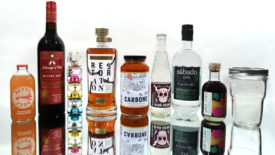
Experts share that Gen Z is changing the standard on what beverages they enjoy, the companies they value, and how companies can market to this younger generation.
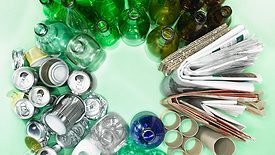
When it comes to recycling, studies show that consumers express concerns about recycling success in the United States, but companies are looking to change that through education, awareness and improved access.
As beverage processing companies look to achieve sustainability goals, experts note that high-quality lubricants can be instrumental in optimizing production factors like waste reduction, energy efficiency and water consumption.
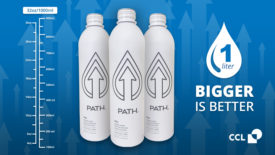
As the beverage industry works toward tackling environmental degradation, experts highlight how sustainable packaging efforts are having an impact on plastic bottle manufacturing.
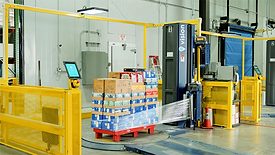
In beverage warehouses, the demand for more sustainable operations has prompted distributors and manufacturers to incorporate practices that are less taxing to the environment, but also benefit operations.
Using cost-effective design solutions, food and beverage processing facilities can meet the rigorous performance demands required in a processing and production environment and, at the same time, focus on sustainability.
On Demand As the symbols of local and innovative, craft beverage alcohol brands have been the go-to companies for what is driving consumer taste. But as the category sees increased competition from luxury, premium and even import competitors, many beer, wine and spirit entrepreneurs are adjusting their operations as consumers diversify their preferences.
On Demand We will explore the latest research, market trends, and formulation strategies that harness the power of guayusa for optimal nootropic focus. Don't miss this opportunity to gain valuable insights into the future of caffeine and unlock your brand's cognitive potential.